Category: Jesus Christ

  • The Solemnity of the Annunciation

    The Solemnity of the Annunciation

    Today’s readings

    Fear keeps us from doing all sorts of things the Lord wants for us.  If we would truly let go of our fear and cling to our God, just imagine what he could do in us and through us.  Ahaz was King of Israel, a mighty commander, but yet was so afraid of God and what God might do that he refused to ask for a sign.  He was such an ineffective leader that he had good reason to be afraid.  Perhaps he knew how far he had strayed from God’s commands, and he was afraid to engage God on any level.  He would prefer to cut himself off from God rather than give himself over to the amazing power of God’s presence in his life and his rule.

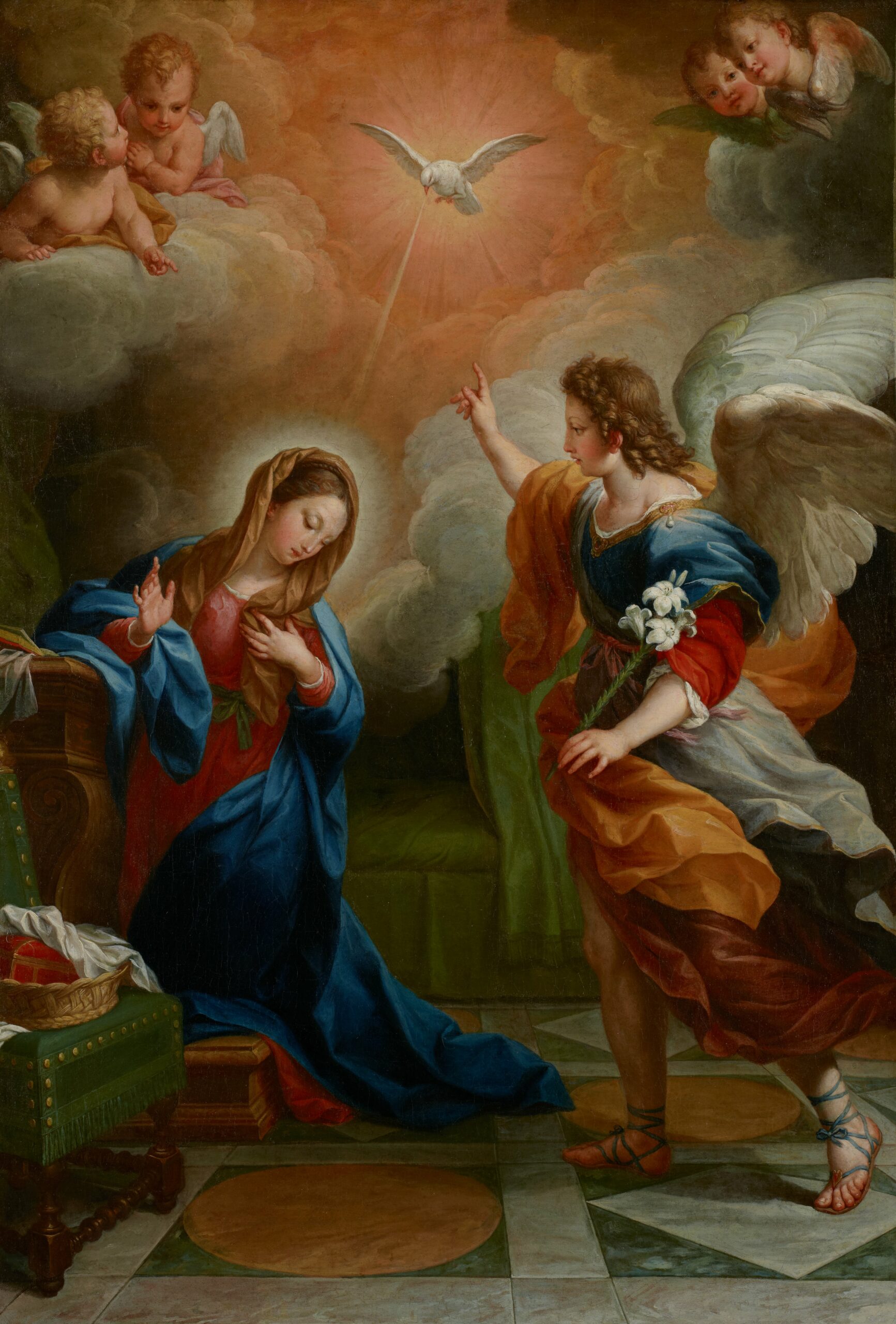
    But his weakness did not disrupt the promise.  In the fullness of time, God’s messenger came to a young woman named Mary and proposed to accomplish in her life the sign for which Ahaz was too afraid to ask.  The difference, though, was that Mary heeded the initial words of the angel that have resounded through Salvation history ever since: “Do not be afraid.”  And, thanks be to God, Mary abandoned her fear and instead sang her fiat, her great “yes” to God’s plan for her, and for all of us.  “Behold, I am the handmaid of the Lord.  May it be done to me according to your word.” 

    And we know what happened from there.  Mary certainly knew that none of that could be accomplished through her own efforts, but she absolutely knew that God could do whatever he undertook.  Nothing would be impossible for God, and she trusted in that, and because of that, we have the great hope of our salvation.  We owe everything to Mary’s cooperation with God’s plan.

    And so the promise comes to us.  We have the great sign of which Ahaz was afraid, but in which Mary rejoiced.  We too are told that God can accomplish much in our own lives, if we would abandon our fears and cling to the hope of God’s presence and action in our lives.  Can we too be the handmaids of the Lord?  Are we bold enough to say, “Here I am, Lord; I come to do your will?”  All we have to do is to remember the first thing the angel said to Mary: “Do not be afraid.”

  • The Nativity of the Lord

    The Nativity of the Lord

    All during Advent, we have been yearning for the light. Advent reminds us that the world can sometimes be a very dark place, that war and terrorism and crime and disease and sin and death can really give us a beating, that very often we experience life much differently than God intended us to, and that all of this darkness has kept us from union with our God. But Advent also has reminded us that it’s not supposed to be that way, and that God has always intervened for love of the people he has created. And so in Advent, we came to see that God promises salvation for the people that are his own, and that he would do anything and everything to make that promised salvation happen for us.

    The Old Testament unfolds for us the many ways that God has intervened in history to save his people. He placed man and woman in the Garden of Eden, safe from all harm, should they choose to accept it (which, of course, they did not!). He brought eight people through the deluge of the great flood on Noah’s Ark. He promised Abraham his descendants would be as numerous as the stars of the sky. He led his people out of slavery in Egypt, through the desert and into the Promised Land, protecting them and guiding them through the hand of Moses all along the way. His love for his people, his desire that they be one with him, and his efforts to save them from their own folly have been abundant all through human history. But as numerous as his efforts have been, so have humankind’s failures to follow him been numerous as well.

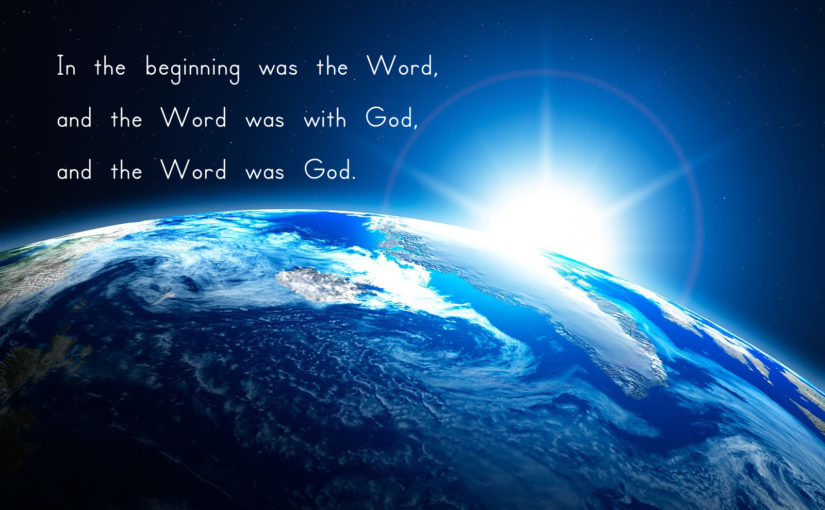
    Which brings us to why we are here this evening. Let’s be clear: this is not some last-ditch effort before God throws up his hands and leaves us to our own devices. This is the saving event, par excellence. This is the way to salvation that has always been intended and has been promised through the ages, from the very days of the creation of the world, when the Word, as Saint John tells us, was with God, and with God, was the Word through which everything in heaven and on earth came to be.

    This awesome event is the Incarnation: Jesus, the Word through which all were created, comes to be like his created ones. This is the primordial mystery of our faith: without the Incarnation, there could be no cross, no resurrection, no ascension, no salvation. None of the savings events of the Old Testament could be as efficacious as the Incarnation and the Paschal Mystery: in fact, those previous acts of salvation led up to the salvation we have in Christ Jesus, and paved the way for that saving act. In today’s feast, the great light of Christ has taken hold of the darkness this world brings to us and shatters it forever, shining great light into every corner of our dark world, and our sometimes very dark lives as well.

    This gift of the Incarnation is the best Christmas present we will receive – it is the best gift of any kind that we will ever receive, because in the Incarnation we have what’s necessary for us to be saved. This is so important a mystery and so great a gift, that at the words of the Incarnation in the Creed today, we are instructed to genuflect, not just bow. So, for those who are able, we will genuflect when we say the words, “by the power of the Holy Spirit, He was born of the Virgin Mary, and became man.” And we genuflect because we remember with great gratitude that if the Word didn’t become flesh, if he wasn’t born of the Virgin Mary, if he didn’t become one like us, if he didn’t pay the price for our sins, we would never have salvation, or hope of life with God. Praise God for this great gift!

    And so as we continue our prayer this evening, we offer God the darkness in our lives: our sins, our frustrations, our disappointments, our pain, our grief – and we hold up all of this to the great Light that is God’s Word, the one who became one like us, who pitched his tent among us, and who dwells with us now. We pray that the Light of the world would banish our darkness, and help us to see the way to God from wherever it is that we find ourselves on the spiritual path today. We celebrate that today and every day, Jesus Christ is the Light that shines in the darkness, and the darkness has not overcome it.

  • The Nativity of the Lord (Vigil Mass)

    The Nativity of the Lord (Vigil Mass)

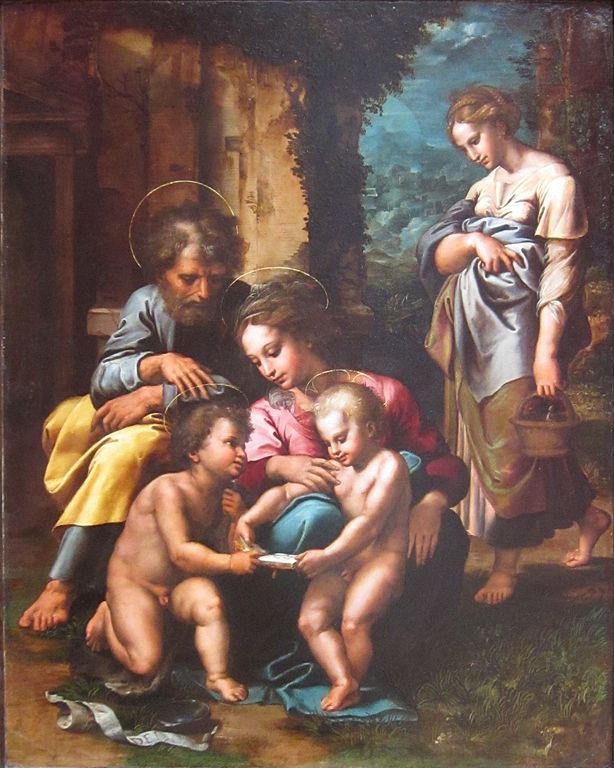
    In a town called Nazareth in Galilee, a long time ago, a girl named Mary lived with her parents, Joachim and Ann. Mary was just around fourteen years old or so.  She came from a quiet little area of the world, and just looking at Mary and her parents, you’d have to say nothing about her family was very special, although God knew that they really were!  She was engaged to be married to a man named Joseph, because that was when people got married in those days, but she wasn’t married or living with him yet.

    She was busy doing her chores one day, when she was surprised by the appearance of an angel named Gabriel.  As you can imagine, the appearing of an angel can be a little frightening, but Gabriel reassured her and told her that the Lord was with her.  He said, “Hail Mary, full of grace, the Lord is with thee.” He told her not to be afraid, because God wanted her to be the mother of his Son Jesus.  Jesus would become great and would rule over the kingdom of Israel forever.  Mary was confused how she could have a baby, because she was not living with Joseph, and she didn’t have relations with any man, but the angel reassured her that all things are possible with God.  She was amazed, but she had faith, and said to the angel, “Let it happen as you have said.”

    Mary sang a hymn proclaiming how great God was, and went in haste to visit her older relative Elizabeth, who was also going to have a baby, even though she was very old.  When she got there, the baby in Elizabeth’s womb leapt for joy, and Elizabeth said, “Blessed are you among women and blessed is the fruit of your womb!” Mary stayed with Elizabeth for three months and then returned home.

    When Joseph heard that Mary was pregnant, he was confused and upset.  He didn’t understand the message from the angel, and couldn’t see how this was all God’s will and God’s doing. He was going to break off the engagement, but he had a visit from the angel too, in a dream. The angel told him not to be afraid to take Mary into his home.  And so he did. When the emperor called for a census, a time when every person in the kingdom was counted, he took Mary with him into the city of David to be counted, because that was where he was from.  

    They had a terrible time finding a place to stay during the journey, because so many people were traveling to take part in the census.  Eventually, it became urgent: on the way, Mary gave birth to her baby, and had Jesus in a manger where the animals stayed.  It was the best they could do. Many people came to visit Mary and Joseph and Jesus, and gave the baby gifts and said wonderful things about him, things Mary would never forget.  She kept all of this very close to her in her heart.

    Mary and Joseph raised Jesus and watched him become a strong, healthy, and smart young man.  One time, when the family went to Jerusalem for a visit to the holy temple, Mary and Joseph lost track of Jesus.  They were on the way home when they discovered Jesus wasn’t with them or any of their friends or family.  They were so upset and frightened!  Returning to Jerusalem, Mary and Joseph found Jesus in the temple, talking about their faith, with all of the rabbis and teachers.  He was only twelve years old!

    Eventually Joseph died, and Mary stayed near Jesus.  She watched him start his ministry, the whole reason God had sent him to earth in the first place.  He called his disciples and taught all the people.  He cured the sick and fed many hungry crowds.  He worked many miracles and always talked about how good God was, and how much God loved people, and how they should all turn back to God and turn away from the bad things they had been doing.  Mary watched as he did all these wonderful things, and she saw how faithful he was to God’s work.

    But Mary also began to see that Jesus wasn’t making everybody happy.  She saw that when he cured people on the Sabbath day, the day of rest, the leaders of the temple became angry.  She saw that when Jesus told them to take care of the poor and the hungry and the homeless instead of worrying about what day it was, the religious leaders wanted to kill him.  Mary watched as eventually they did take hold of Jesus, carried him off for a trial before Pilate the governor, and nailed him to the cross.

    At the foot of the cross, Mary stood sorrowful, knowing what a wonderful gift she and the whole world had been given in Jesus.  But Jesus took care of Mary even then, and entrusted her to the care of his friend John.  After Jesus died on the cross, Mary along with some of the other women in the group were the first ones to see that Jesus rose from the dead!  Mary stayed with the other disciples and prayed with them that the whole world would come to know the message of Jesus.  Her sorrow turned to joy as she watched the community grow and live the things Jesus had taught them.

    Those disciples were the ones who passed the faith on to us.  Because of the courage of the disciples and especially of Mary, we today can believe in Jesus and receive the gift of everlasting life from him.  Because of the faith of Mary, we can live forever with God and never have to be afraid of death or be mastered by sin.  All of this happened because Mary said to the angel back at the beginning of it all, “I am the handmaid of the Lord, let it be done to me according to your word.”

    It is good for us to hear Mary’s story, because she lived her life following Jesus.  We’re supposed to do that too.  Mary got to see Jesus face-to-face, even hold him in her arms.  We might not be able to do that, but Jesus is close to all of us as long as we let him in.  Just like they made a place for Jesus to be born in a manger, we need to make a manger for Jesus in our own hearts so that he can be born in us and always be with us.  It’s very important that we all hear that just as God sent an angel to Mary, he sends angels to us all the time.  Those angels tell us, too, that we should not be afraid because God loves us and cares for us and wants to do great things with us, just like he did with Mary.  All he needs for us to do is to say, “Let it be done to me according to your word.”
  • The Feast of the Exaltation of the Holy Cross

    The Feast of the Exaltation of the Holy Cross

    Today’s readings
    Mass at Saint John the Baptist, Winfield

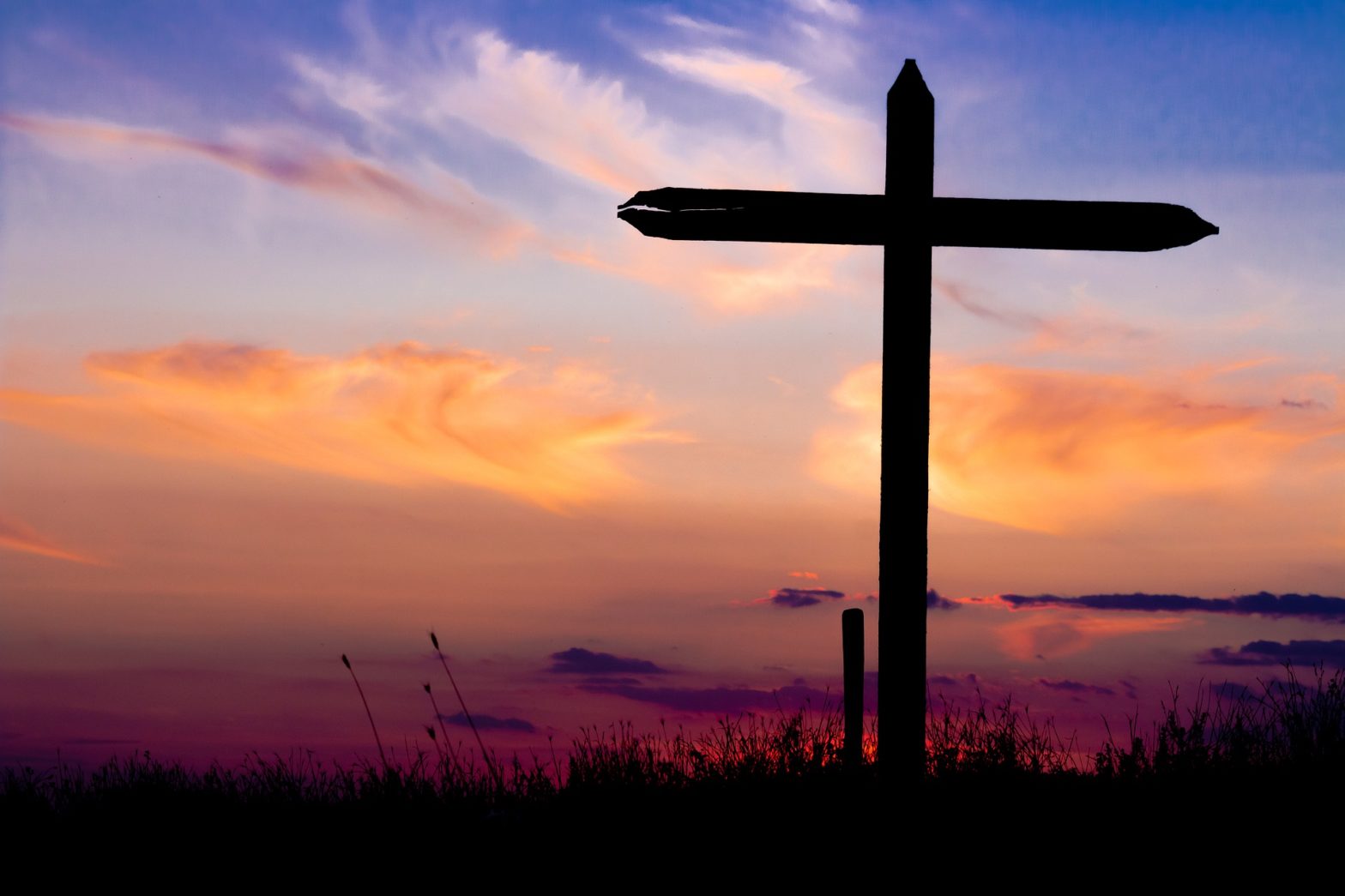
    Bishop Robert Barron tells about an interreligious dialogue between Catholics and Buddhists at which he was present. At one point, one of the Buddhists said to him, pointing to the Cross above the door in the meeting room, “Why is that obscene image on every wall in your buildings?” The Buddhist explained that it would be considered a mockery in his religion to venerate the very thing that killed their leader. The truth is, of course, that it is obscene. It is strange, and I don’t think we give that as much thought as we should. Just because it’s strange doesn’t make it wrong, and Barron wrote a whole book about it called The Strangest Way.

    And we all must have thought about this at one time or another. Why is it that God could only accomplish the salvation of the world through the horrible, brutal, and lonely death of his Son? That question goes right to the root of our faith. We know that we had been alienated from God, separated by a vast chasm of sin and death, which we freely chose. But into this obscene world, Jesus becomes incarnate; he is born right into the midst of all that sin and death. He walks among us, and goes through all of the sorrows and pains of life and death right with along with us. If sin and death have been the obscenities that have kept us from God, then God was going to use those very obscenities to bring us back. Jesus comes into our world and dies our death because God wants us to know that there is no place we can go, no depth to which we can fall, no experience we can ever have that is outside of the reach of God’s saving power and love.

    Today’s feast of the Exaltation of the Holy Cross, also called the Triumph of the Cross, was celebrated very early in the Church’s history. In the fourth century St. Helena, mother of the Roman Emperor Constantine, went to Jerusalem in search of the holy places of Christ’s life. She destroyed the Temple of Aphrodite, which tradition held was built over the Savior’s tomb, and her son built the Basilica of the Holy Sepulcher over the tomb. During the excavation, workers found three crosses. Legend has it that the one on which Jesus died was identified when its touch healed a dying woman. The Cross immediately became an object of veneration.

    About this great feast, St. Andrew of Crete wrote: “Had there been no Cross, Christ could not have been crucified. Had there been no Cross, life itself could not have been nailed to the tree. And if life had not been nailed to it, there would be no streams of immortality pouring from Christ’s side, blood and water for the world’s cleansing. The legal bond of our sin would not be canceled, we should not have attained our freedom, we should not have enjoyed the fruit of the tree of life and the gates of paradise would not stand open. Had there been no Cross, death would not have been trodden underfoot, nor hell despoiled.”

    Because of the Cross, all of our sadness has been overcome. Disease, pain, death, and sin – none of these have ultimate power over us any more. Just as Jesus suffered on that Cross, so we too may have to suffer in the trials that this life brings us – we know that. But Jesus rose from the dead and ascended into heaven to prepare a place for us, a place where there will be no more sadness, death or pain, a place where we can live in the radiant light of God for all eternity. Because of the Cross, we have hope, a hope that can never be taken away.

    The Cross is indeed a very strange way to save the world, but the triumph that came into the world through the One who suffered on the cross is immeasurable. As our Gospel reminds us today, all of this happened because God so loved the world.

    We adore you, O Christ, and we praise you, because by your Holy Cross you have redeemed the world.

    Fediverse Reactions
  • The Feast of the Presentation of the Lord

    The Feast of the Presentation of the Lord

    Today’s readings

    Who is this king of glory?
    The Lord of hosts; he is the king of glory.

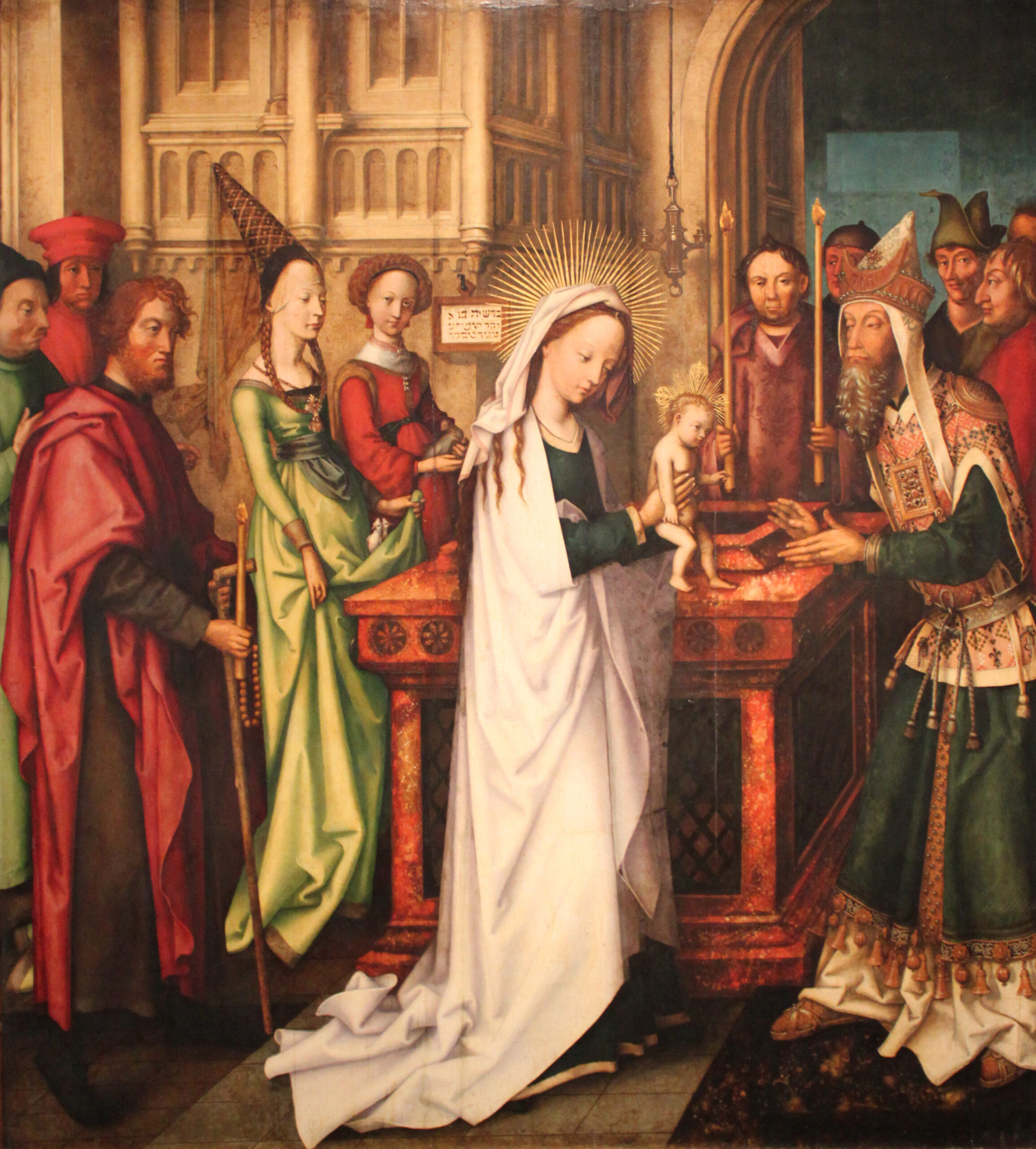
    Today we celebrate the traditional end of the Christmas season with this feast of the Presentation of the Lord. The current liturgical end of the Christmas season was back on January 12th, the feast of the Baptism of the Lord. But the older tradition reflected what we have seen in the readings for the Sundays ever since, and that is remnants of the Epiphany, or manifestation of who Christ is in our world. On Epiphany, Jesus was manifested to the Magi as priest, prophet and king. On the Baptism of the Lord, Jesus was baptized as the eternal Son of the Father, with whom the Father was well-pleased. Today, Jesus is manifested as a light to the Gentiles and the glory of Israel, as the king of glory.

    Like Epiphany, this feast of the Presentation of the Lord is a feast of light. On Epiphany the world was illumined by a star that pointed to the true Light of the world. Today, a world grown dark is illumined by that true Light and the glory of God sheds light on the whole world: Gentiles and Israelites alike. So today, the Church has always blessed candles, which we did at the beginning of Mass today. The reason the Church lights candles is always to draw our attention to Christ our Light, in the midst of whatever darkness the world throws at us. This feast is a foreshadowing of the Easter Vigil, when the deacon proclaims in a darkened church, “Lumen Christi,” “The Light of Christ,” and the Church responds, “Deo Gratias,” “Thanks be to God.” Today is a foretaste of Easter, when the true Light of the World, Christ our Light, will definitively conquer every darkness.

    And so you will be invited today to purchase some of the candles we just blessed to take into your home. Traditionally these blessed candles have been used in many ways: to be a sign of Christ’s presence when the priest is called to anoint a dying loved one; to be lit during a storm to remind us of Jesus who had power to conquer every storm; to be lit when the family gathers for prayer so that we remember that whenever we gather in Christ’s name, he is there in our midst. Every family should have blessed candles in their home because every family has times when Christ’s light needs to burn brightly.

    Those blessed candles which remind us of the presence of our Savior in good times and in bad remind us that we, too are meant to be the light of Christ. And we are called to be the light because the world has times of darkness too. The world needs us to be the light that scatters the darkness of apathy by looking in on a sick neighbor or bringing a meal to a family that has suffered the death of a loved one. We are called to be the light that scatters the darkness of ignorance by mentoring a young person, or opening our home to a foster child, or being a catechist. We are called to be the light that scatters the darkness of racism by standing in solidarity with our brothers and sisters, no matter where they’ve come from. We have to be the light that scatters the darkness of death by taking every opportunity to oppose abortion, euthanasia, and any endeavor that cheapens human life. We have to be the light that scatters the sadness of a spiritually bereft world by joyfully living our faith and standing up for what we believe. The world needs the light of Christ, and you might be the only candle someone sees on a given day. Be the light, friends: be Christ’s presence. People of faith don’t have any other option than that.

    The Methodist minister William L. Watkinson once said, “It is better to light a candle than to curse the darkness.” We can look at the darkness of our world – and there is plenty of it! – and shake our heads and walk away in sadness, but that doesn’t shed any light. We have to acknowledge the darkness and remember, as the Gospel of John proclaims, “the Light shines in the darkness and the darkness has not overcome it.” We are Catholics and we believe and proclaim that there is no darkness on earth that Christ our Light can’t overcome with the brightness of his glory. It is up to us to light the candle that helps others to see that glory.

    In today’s Gospel reading, Simeon and Anna experienced the power of the Light of the World. They had been waiting and praying and fasting for the day of his appearance, and those prayers were answered. The Lord came suddenly to the temple, as Malachi prophesied, and they could now be at peace. But that appearance of the Lord requires a response: one doesn’t just experience the light and remain the same. Christ our light is that refiner’s fire that purifies the lives of his chosen ones so that they might go out and shed light on our dark world.

    And I don’t mean for this to just be an academic or poetic discussion. The light of Christ is not a mere metaphor. Being the light for the world isn’t just a “yeah, maybe I should do that some day” kind of thing. Every baptized one, according to her or his station in life, is called to actively shed light on the world. So let’s take a few moments to pray with this.

    • Call to mind a darkness that you have noticed, either in your life, in your community, or in the world: a darkness that affects you or those around you.
    • Take a moment to talk with Jesus about that darkness and let him know your concern.
    • Listen for Jesus as he acknowledges the darkness and accepts your concern.
    • Ask him for the grace to shed some light, small or big, on that darkness. Listen for him to tell you what he wants you to do.
    • If you don’t hear that call right away, bring it to your prayer this week. Ask Jesus for grace to be the light.

    And we pray: Christ be our light, shine in our hearts, shine through the darkness. Christ be our light, shine in your Church, gathered today.

  • The Feast of the Baptism of the Lord

    The Feast of the Baptism of the Lord

    Today’s readings

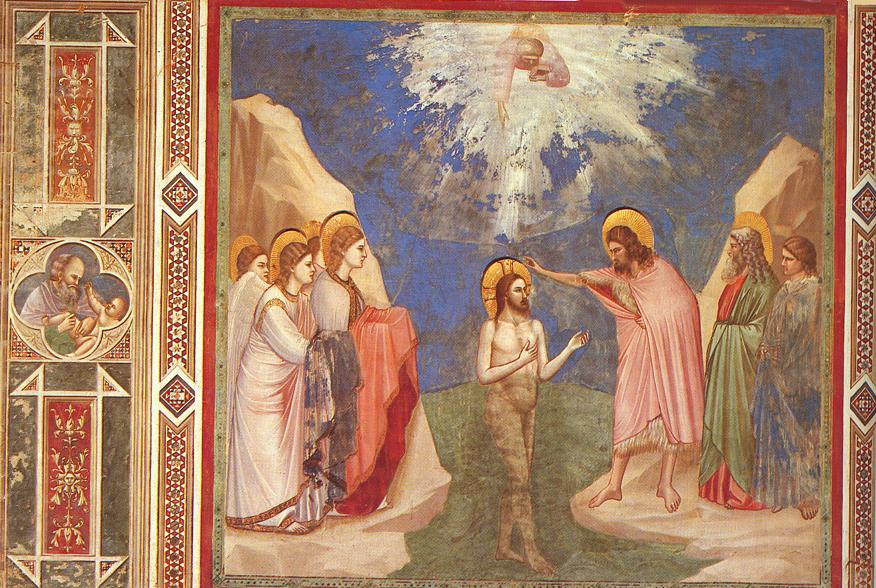
    I’m sad today is the last day of the Christmas Season. I love that even though the rest of society may have tossed out the Christmas trees, and taken down the festive decorations, we still celebrate. What a wonderful gift we have as Catholics to celebrate the birth of our Lord for an extended period of time! Last Sunday was the Epiphany of the Lord, a time to celebrate Christ manifested in the flesh, the greatest gift of God to his creation. On the occasion of the Epiphany, we have three traditional readings. The first is the reading about the magi visiting the Christ Child; that’s the one we think of first. The second is the wedding feast at Cana, where Christ turned water into wine, the first of his miracles. And the third is the Gospel we have today, of Christ being baptized by John the Baptist in the River Jordan. So today is still part of the Epiphany of the Lord.

    As we heard last week, Epiphany means “manifestation.” In each of these Gospel readings, Christ is manifest in our world in a different way. The magi celebrated that this baby was truly the manifestation of God in our world, because no other birth would have been occasioned by such great astrological signs. The wedding feast at Cana celebrates that Jesus is no ordinary man, that he had come to change the world by the shedding of his blood, symbolized by changing ordinary water into the best wine ever. And today his baptism celebrates that Christ is manifest in the weakness of human flesh to identify himself with sinners through baptism.

    Obviously, Jesus did not need Saint John the Baptist’s baptism, because it was a baptism for the forgiveness of sins, and Jesus had no sins. So he chose to be baptized so that he could identify himself with us sinners through baptism. That being the case, then we who have been baptized must also identify ourselves with him. We must manifest him in the world through living the Gospel and following in his ways.

    So today we need to reflect on the goal of all that we have celebrated in these Christmas days. What was God’s purpose in sending his Son to take on our sinful flesh and live among us? Well, we know the whole story, of course. God sent his only-begotten Son, Jesus Christ, into our world as a human being, born to a poor family as a tiny child. He did that because he created us good, and even though we acquired sinfulness along the way, our humanity was good enough to be redeemed. He would not have us die in our sins, so he sent his Son to take flesh and lead us to heaven, our true home. That’s worth celebrating for many days, and that’s why our Christmas season extends beyond the point where the stores haul out the Valentine’s day candy!

    Christ is baptized today so that our own baptism can be the source of eternal life for all of us. His baptism sanctifies the waters of baptism forever, and to make the waters of baptism, with which we too were baptized, consecrated in holiness. Then we who have been sanctified in baptism must now go out and do what Jesus himself did: doing good and healing the broken and all who are possessed by evil spirits. It is easy to see how we can go about doing good. There are thousands of opportunities to do that in our lives. Every day there is an opportunity to do good in ordinary and extraordinary ways. All we have to do is decide to live our baptismal call and do it. Healing those oppressed by evil spirits might seem harder to do. But there are lots of ways to cast out demons. Teaching something to another person is a way to cast out the demons of ignorance. Reaching out to an elderly neighbor is a way to cast out the demons of loneliness. Bringing food to the food pantry is a way to cast out the demons of hunger and poverty. Educating ourselves on the evils of racism is a way to cast out the demons of hatred. We have opportunities to heal those oppressed by the devil all the time. All we have to do is decide to do it.

    On this Epiphany Day, on this Christmas day, Christ, born among us, enters the waters of baptism to sanctify them through his body. Our own baptism is a share in this great baptism and outpouring of the Holy Spirit. We who have been baptized then are literally inspired – the Holy Spirit is breathed into us – in order to continue to make Christ manifest in our world. All we have to do is decide to live our baptism in ordinary ways every day.

  • The Solemnity of Our Lord Jesus Christ, King of the Universe

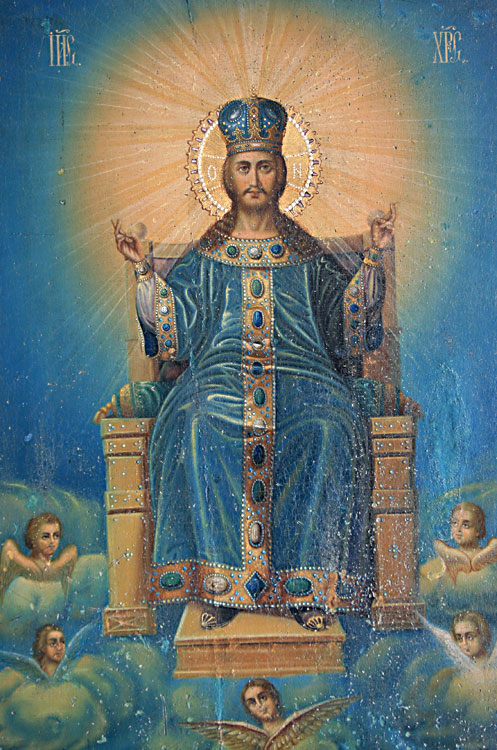
    The Solemnity of Our Lord Jesus Christ, King of the Universe

    Today’s readings

    Today we celebrate the great feast of Our Lord Jesus Christ the King of the Universe. It’s one of those feasts that I think we can say, yeah, okay, I believe that. But it really doesn’t affect me. I mean, we don’t even have the political reference of being ruled by a king; that’s never been part of the American way of life. Not only that, I think we as a society have pretty much bracketed the whole idea of authority. Basically if an authority gives us permission to do whatever we want, then fine, he or she can be in authority. But the minute that authority tries to limit us in any way, then whoa: hang on a minute.

    Yet there are times when we do want an authority. Whenever we are wronged, we want an authority to give us justice. Whenever we are in danger, we want an authority to keep us safe. Whenever we are in need, we want an authority to bring us fulfillment. But other than when we need something, we hardly ever seek any kind of authority. Certainly not as a society, and if we’re being honest, not as individuals. As an example, take the days after the tragedy of 9-11. Our whole world was shattered. I wasn’t here then, but I am guessing this church was filled to overflowing; I know my home parish was. In those days, we wanted an authority to bring us peace and comfort and rest. But now that we’re twenty-three years on the other side of it, look around. Not so many people in the pews, right? If Christ was the authority then, what makes him less of an authority now? We certainly did not come through those harrowing days with our own feeble efforts, but when we don’t have buildings crashing down around us, we don’t seem to remember that.

    Still, the Church gives us this important feast of Our Lord Jesus Christ the King of the Universe to remind us that there is an authority. Christ is king of the Universe and king of our own lives. And if that’s true, we have to be ready to live that way. So no, we can’t just do whatever we want. And no, just because we think something is right, that doesn’t make it truth. And no, the idea of living according to our conscience doesn’t mean that it’s okay as long as it works for me. The world would have us believe that, but the world will one day come to an end. If we want the possibility of eternity, then we have to be open to the authority of Our Lord Jesus Christ, the King of the Universe!

    In today’s first reading, we have the promise of the king: one like a son of man with an everlasting dominion. This part of the book of Daniel comes from a series of visions. In these visions, particularly the one we have today, Daniel gives the Jews hope in persecution. This is a vision that is spoken to lift the people up and help them to know that their hope is in God. The Jews of his day have been being persecuted by the Greek tyrant, Antiochus Epiphanes IV. He and his henchmen were persecuting the Jews who insisted on living the Jewish way of life and following the Jewish laws. But what is even more evil and more disastrous to the community, is that some of the Jews were starting to think that giving up their way of life and instead worshiping the gods of the Greeks was a good idea. They figured if you can’t beat ‘em, join ‘em. So, why not give up their own faith to follow one that seems to be working better? The biggest danger they faced was losing their faith to the pagans by adopting pagan ways of life.

    Into this conundrum, Daniel prophesied that there would be one like a Son of Man who would triumph over Antiochus and others like him. This One would deliver them from the persecution they suffered and from the seduction that confronted them. This One would rule the world in justice and peace, and would lead the persecuted ones to a kingdom that would never pass away.

    The early Church identified this Son of Man with Jesus Christ. He is the One who has power to rule over all and he is the One whose kingdom is everlasting. He even referred to himself as the Son of Man, and made it clear that he was the Son of Man who would suffer for the people. He came to deliver those first Christians from persecution with the promise that he would indeed come again, and that same promise is made to us as well.

    But the problem was, he didn’t return right away. People lost faith, gave in to persecution, and just went with the powerful forces of the day. The delay in his return led some to believe that he was not returning, and so they should just do what seemed expedient. Why not go with the victorious pagan forces of the world? Just like the Jews in the first reading.

    Jesus told Pilate in today’s Gospel that his Kingdom was not of this world. So that needs to be the point of discernment for us. When we begin to worship and follow the forces of this world, we have to know that we are in the wrong place. The preface to the Eucharistic Prayer, which I will sing in a few minutes, tells us the kind of kingdom that Christ came to bring, and that we should long for, is a kingdom like this:

    an eternal and universal kingdom
    a kingdom of truth and life,
    a kingdom of holiness and grace,
    a kingdom of justice, love and peace.

    Christ is the King, the Son of Man, who will lead us to a kingdom not made by human hands, a kingdom that will not pass away, a kingdom of eternal beauty and unfathomable joy. The choice is ours, though. Will we follow the pagan forces of this world, or will we follow Our Lord Jesus Christ the King to that perfect and everlasting kingdom, not of this world that will certainly pass away, but the kingdom of eternity and the life of heaven? There’s only one right answer here.

  • Thursday of the Twenty-fifth Week in Ordinary Time

    Thursday of the Twenty-fifth Week in Ordinary Time

    Today’s readings

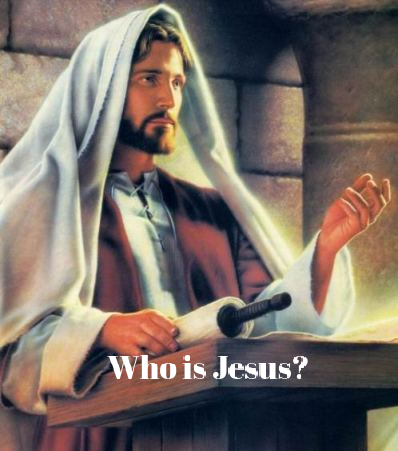
    Herod had the right idea – well, sort of. He was asking the right question, which is a good start, but he was asking it for all the wrong reasons. Clearly though, it is the right question. And that question is, “Who is Jesus?” It’s a question that has echoed down through the ages; it’s a question we all have to ask at some point in our faith journey, at least it is if we are taking that journey seriously.

    What Herod was hearing about Jesus is pretty much what the disciples told Jesus when Jesus asked, “Who do people say that I am?” Elijah, or one of the prophets, or maybe even John the Baptist. But Herod was the one who killed John so he knew that couldn’t be it, so who is he really? Herod kept trying to see him, and of course, he’d have more than ample opportunity soon enough, after Jesus is arrested.

    So we have the question too. Oh, we know well enough – intellectually – who Jesus is, but we still have to answer that question in our hearts. We can’t let our relationship with our Lord be only an intellectual exercise, or else we won’t have a faith life. So who is Jesus for us? We know he is not just some prophet; that he is not like anyone who lived before or after him. But have we stopped being intrigued by the question, have we lost our fascination with Jesus? Herod kept trying to see Jesus, and it’s the right instinct, or at least it is for us. We have to keep trying to see him too, whether that takes us to a rereading of the Gospels or to adoration of the Blessed Sacrament or to contemplative prayer. Whatever the case, fascination with Jesus is the right way to go, and we have to let ourselves be intrigued by the question again. Who is Jesus for us?

  • The Second Sunday of Ordinary Time

    The Second Sunday of Ordinary Time

    Today’s readings

    What are you looking for?

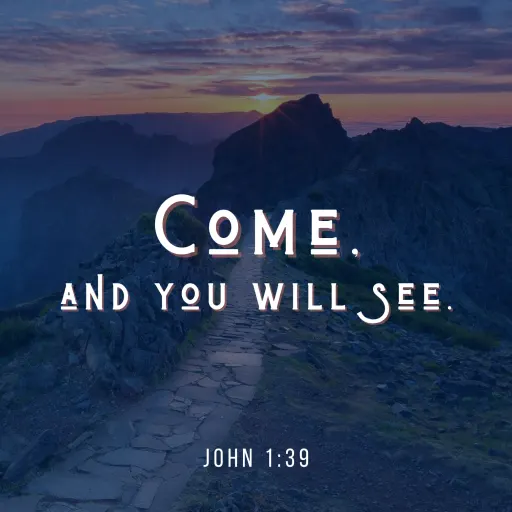
    That’s the question Jesus asks us today, and it’s a good one.  For the disciples who were checking him out, I think it took them aback somewhat.  They weren’t expecting that and they honestly didn’t have a great answer.  So instead they do what Jesus usually does and they answer the question with another question!  “Rabbi, where are you staying?”  And very cryptically, Jesus answers by saying, “Come and you will see.”  That’s a wonderful line, so bookmark it for just a second.

    Here we are, essentially just beginning the regular part of the new year of the Church.  We’ve been through Advent and the Christmas season, we’ve celebrated Epiphany, Jesus has been baptized in the River Jordan by his cousin Saint John the Baptist, and now it’s time to get on with the ministry he came to do.  So as he moves on, he begins to attract disciples, particularly those who had been followers of Saint John the Baptist.  Most likely, they were there when Jesus was baptized and they experienced the wonders of that moment: when the Father spoke from the heavens and the Holy Spirit descended like a dove.  That had to be amazing!  My guess is they would have wanted to get to know Jesus a little better.

    And so that’s what brings them to the place we are today.  Where are you staying?  Come and you will see.  And see they do.  They recruit Simon Peter, and he joins the group.  Together they will see the sick healed, the paralyzed get up and walk, the leprous cleaned, the possessed set free.  They will see thousands fed by a few loaves and fish.  They will see Jesus’ transfiguration.  But they won’t just see glory, will they?  They will see suffering and death, and will then see resurrection.  After that, they will see what Jesus saw in them – their ability to become the Church and spread the Gospel.

    But at that moment, they had no idea what they would see when they chose to follow Jesus.  Just like they had no idea how to answer Jesus’ question, they had no idea what to expect from their relationship with him.  To find out where they were going to be led, they really did have to make a leap of faith and take him up on his invitation to “Come and see.”

    Which is where we are today, on this first, “ordinary” Sunday of the Church year.  And I’m going to ask you all to pray over this in the week ahead: “What are you looking for?” 

    For me, I’m looking forward to seeing our parishioner Christian Sinclair ordained a transitional deacon. I’m looking forward to working with our seminarians Matthew, and especially Andrew as he experiences his full time internship here at Saint Mary’s.  I’m looking forward to seeing how some of our ministries develop, the fruits of doing some things in our school and religious education programs, and the renewing of our parish pastoral council.  I’m looking forward to receiving some new people into the Church at Easter and throughout the year.  I’m looking forward to celebrating several marriages this year, along with First Communions and Confirmations.  I’m looking forward to seeing how God will continue to work in my life and develop my ministry.  But I know it won’t all be glory: I’ll have to celebrate funerals and say goodbye to some wonderful people.  I’ll have to make hard decisions about our budget and prioritize ministries.  Just like all of your families, there are tough decisions to be made in the running of a parish.

    But I wouldn’t change it for the world.  And I look forward to the journey.  Sometimes things might not happen fast enough for my liking, or maybe they won’t happen in the way I would choose, but I know that along the way, I’ll see more of God’s grace, and that’s worth the ride all in itself.

    So I’ll put this back in your court again.  Let’s pray about this together. Close your eyes and imagine yourself sitting with Jesus and hear him asking, “What are you looking for?” Spend some time now thinking about how you will answer him: What do you hope to see in this new year?  What are your dreams for your spiritual life?  How would you want God to work in your life right now? 

    Take time to tell Jesus what it is you are looking for right now.

    Listen now, as Jesus answers you: “Come, and you will see.” Receive his reassurance that you will see much this coming year, but he will walk with you through it all.  Then we can all pray with the Psalmist: “Here am I Lord; I come to do your will.”

  • The Feast of the Transfiguration of Our Lord

    The Feast of the Transfiguration of Our Lord

    Today’s readings

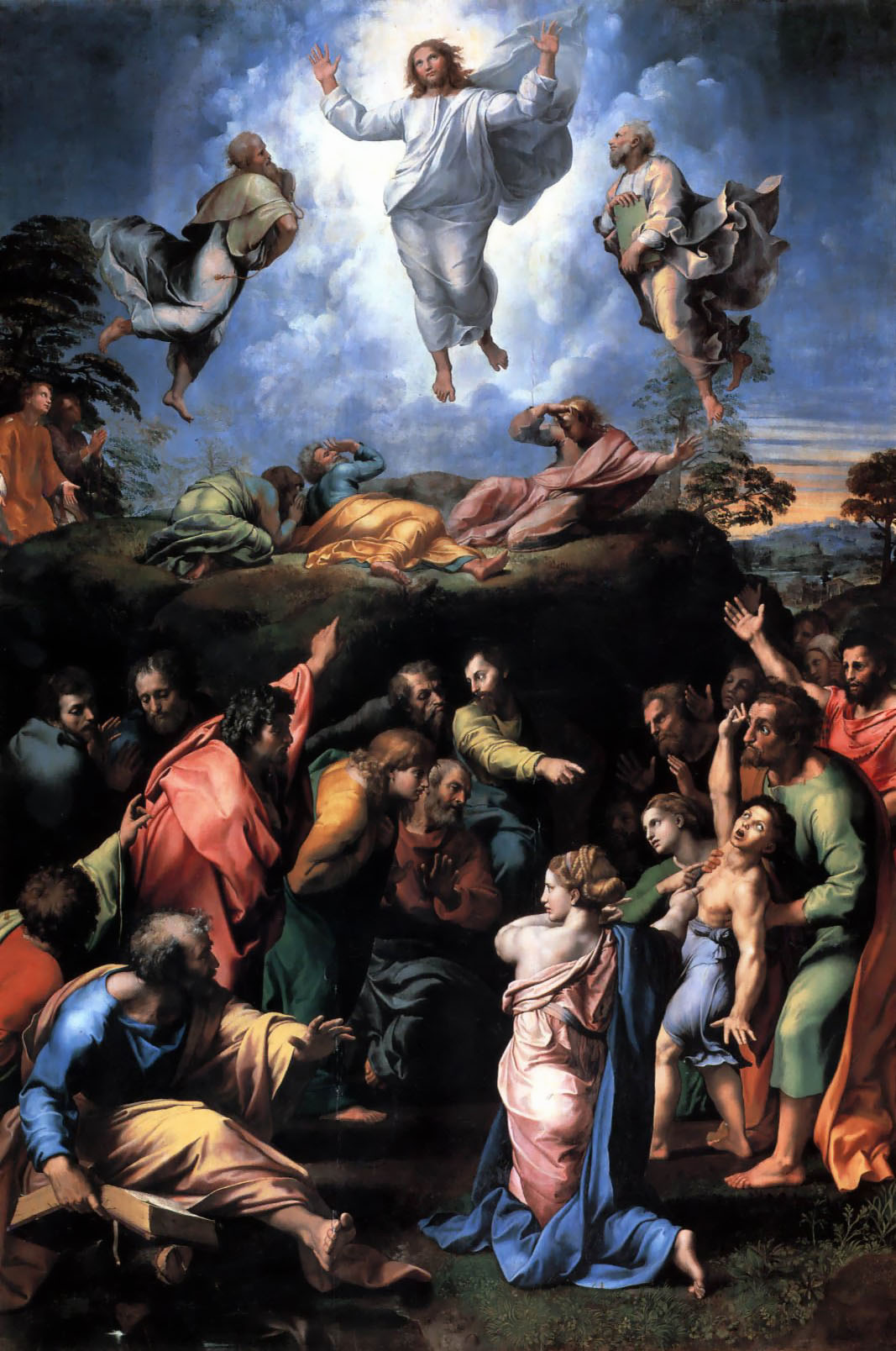
    When I was in Israel a few years ago, we were able to visit Mount Tabor, the traditional site of the Transfiguration of the Lord, the feast we celebrate today.  We went up several mountains on that pilgrimage, and the thing about being on top of a mountain is that it’s like you can see everything.  And I think that is an important point about this feast, because, in the Transfiguration, the disciples started to see who Jesus really was.  The Transfiguration is the fourth Luminous mystery of the Holy Rosary, the mysteries on which we usually meditate on Thursdays.

    Sometimes I think that, because of the limitedness of our minds, we accept a rather small and rather bland view of Jesus.  I think that was true for the disciples too, although they had a good excuse: they didn’t have two thousand years of Church history to guide them!  It’s understandable that they were definitely familiar with the human side of Jesus: over the time they had spent with him thus far, they had become close to him and saw him as a friend, a companion on the journey, and a great teacher, even a miracle worker.  They experienced him in his humanity every day.  But they were always having trouble with his divinity; they often missed his connection with the Father.

    Today’s feast changes all of that for them, and for us as well.  If there was any doubt about who Jesus was, it had to be gone now.  That voice from the cloud is absolutely specific: “This is my beloved Son, with whom I am well pleased; listen to him.”  Jesus is the Son of God and his divinity must be embraced and proclaimed.  It’s nice, even comfortable, for us to have a picture of Jesus that is absolutely human, but we must always keep in mind the Transfigured Christ, dazzling white, radiating glory, the lamp shining in a dark place.  He is the “one like a Son of man” of whom the prophet Daniel speaks in our first reading today, and to him belongs dominion, glory, and kingship.  If Jesus were only human, we would have no Savior, we would be dead in our sins, and we would have no chance of being caught up in the divine life ourselves, that life for which we were created and intended from the very beginning.

    The Transfiguration is also a sign for the disciples of what would happen in the Paschal Mystery.  The incredible event of Jesus’ Transfiguration foreshadows the glory of the Resurrection.  It’s a peek at what Jesus would look like after he rose from the dead.  You may remember that the first witnesses of the Resurrection had a hard time recognizing Jesus.  That may be because he was transfigured by the Resurrection, and so today’s event is perhaps a foreshadowing of what that would be like. Yes, Jesus would have to suffer and die, but his Resurrection and Ascension would be glorious, and would open the possibility of glory to all of us as well.

    As we meditate today on the glory of the Transfiguration, we find a sign of what waits for us who believe.  The glory that we see in Jesus today is the glory that waits for all of us.  We have hope of the Resurrection, we have hope of an eternal home in heaven.  The Transfiguration shows us that this hope is ours, if we but listen to the one who is God’s beloved Son.  Sure, we come to that as those who don’t deserve that kind of glory.  We are in need of our own kinds of transfigurations.  We are in need of our sins being transfigured into faithfulness, of our failures being transfigured into joys, of our death being transfigured into everlasting life.  All of those transfigurations are accomplished in us when we but listen to God’s beloved Son.

    On the way to the mountain, the disciples came to know Jesus in his humanity, and on the way down, they came to know Jesus in his divinity.  Knowledge of both is absolutely necessary because Jesus is fully human and fully divine.  That trip down from the mountain took him to Calvary, but ultimately to the Resurrection, the glory of all glories.  Christ is both human and divine, without any kind of division or separation.  Peter, James, and John got a clear picture of that as Jesus was transfigured on the high mountain.  We too must be ready to see both natures of our Jesus, so that we ourselves can transfigure our world with justice, compassion and mercy, in the divine image of our beautiful Savior.  No matter what challenges may confront us or what obstacles may appear along the way, we must be encouraged to press on with the words of the Psalmist: “The Lord is king, the Most High over all the earth.”