Category: Jesus Christ

  • The Solemnity of the Nativity of Our Lord Jesus Christ: Christmas Vigil – Childrens Mass

    The Solemnity of the Nativity of Our Lord Jesus Christ: Christmas Vigil – Childrens Mass

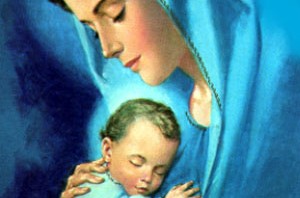
    In a town called Nazareth in Galilee, a long time ago, Mary lived with her parents, Joachim and Ann. Mary was only a young girl, maybe 14 years old. She came from a quiet little area of the world, and just looking at them, you’d have to say nothing about her family was very special. She was engaged to be married to a man named Joseph, because that was when people got married in those days, but she wasn’t married yet.

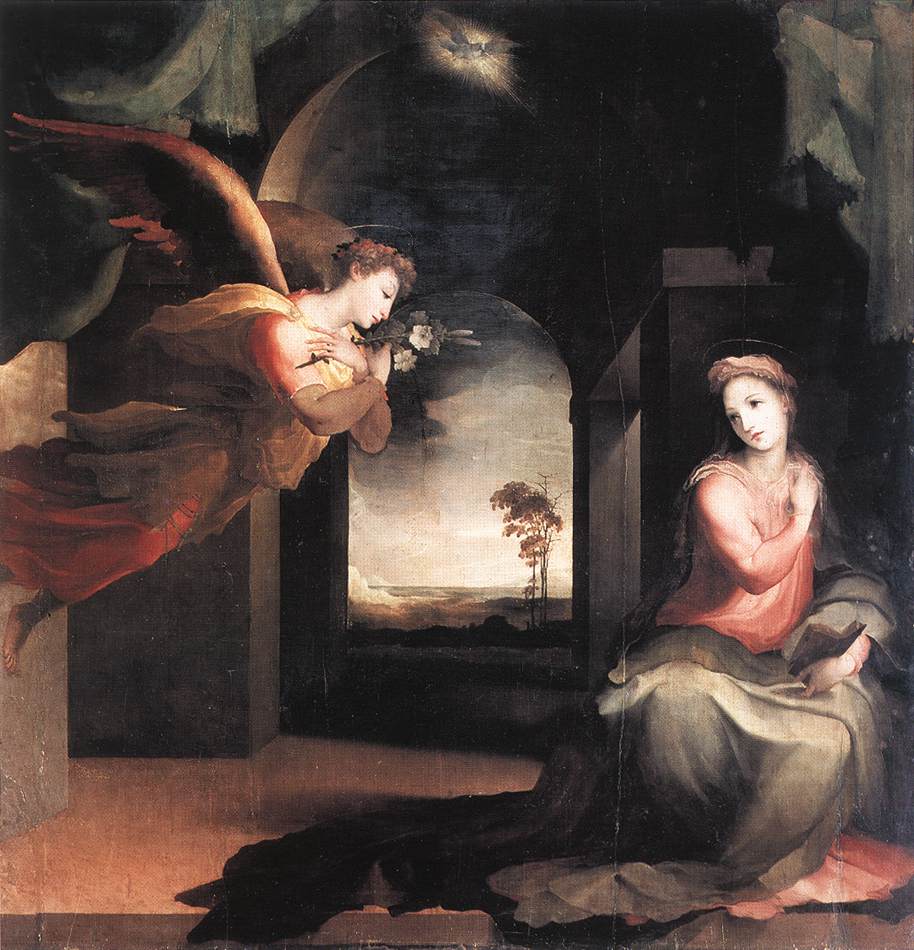
    She was busy doing her chores one day, when she was surprised by the appearance of an angel named Gabriel. As you can imagine, the appearing of an angel can be a little frightening, but Gabriel reassured her and told her that the Lord was with her. He told her not to be afraid, because God wanted her to be the mother of his Son Jesus. Jesus would become great and would rule over the kingdom of Israel forever. Mary was confused how she could have a baby, because she was not married, but the angel reassured her that all things are possible with God. She was amazed, but she had faith, and said to the angel, “Let it happen as you have said.”

    Mary sang a hymn proclaiming how great God was, and went in haste to visit her cousin Elizabeth, who was also going to have a baby, even though she was very old. When she got there, the baby in Elizabeth’s womb leapt for joy, and Elizabeth said, “Hail Mary, full of grace, the Lord is with you!” Mary helped Elizabeth for three months and returned home.

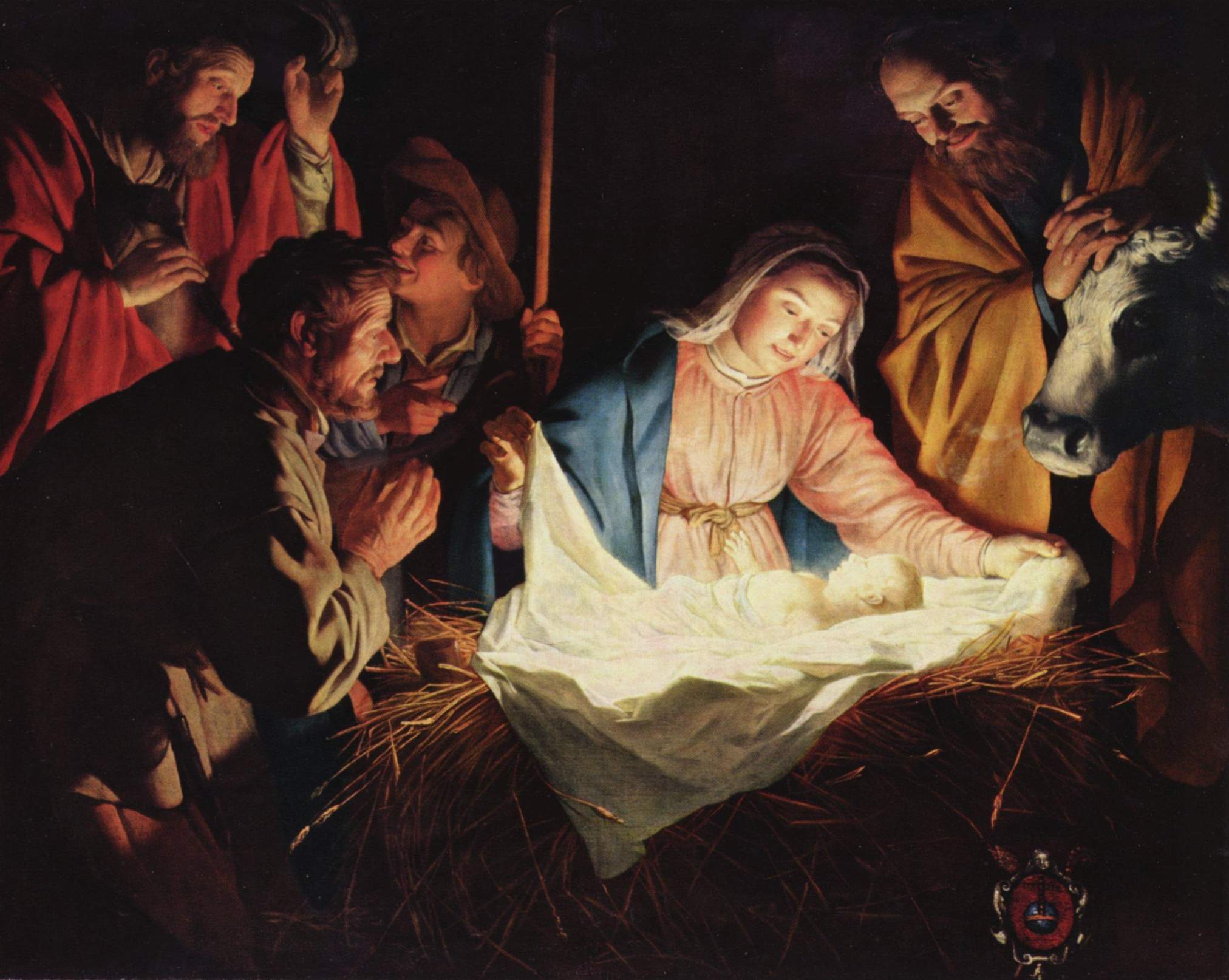
    Mary was engaged to a man named Joseph, and when he heard that Mary was pregnant, he was upset. He was going to break off the engagement, but he heard from the angel too. He came to be with her and took her into the city of David for the census, so that they could be counted. On the way, Mary gave birth to her baby, and had Jesus in a manger where the animals stayed. Many people came to visit Mary and Joseph and Jesus, and gave the baby gifts and said wonderful things about him, things Mary would never forget. She kept all of this very close to her in her heart.

    Mary and Joseph raised Jesus and watched him become a strong, healthy, and smart young man. One time, when the family went to Jerusalem for a visit to the holy temple, Mary and Joseph lost track of Jesus. They were on the way home when they discovered Jesus wasn’t with them or any of their friends or family. Returning to Jerusalem, Mary and Joseph found Jesus in the temple, talking about their faith, with all of the rabbis and teachers. He was only twelve years old!

    Eventually Joseph died, and Mary stayed near Jesus. She watched him start his ministry, the whole reason God had sent him to earth in the first place. He called his disciples and taught all the people. He cured the sick and fed many hungry people. He worked many miracles and always talked about how good God was, and how much God loved people, and how they should all turn back to God and turn away from the bad things they had been doing. Mary watched as he did all these wonderful things, and she saw how faithful he was to God’s work.

    But Mary also began to see that Jesus wasn’t making everybody happy. She saw that when he cured people on the Sabbath day, the day of rest, the leaders of the temple became angry. She saw that when Jesus told them to take care of the poor and the hungry and the homeless instead of worrying about what day it was, the religious leaders wanted to kill him. Mary watched as eventually they did take hold of Jesus, carried him off for a trial before Pilate the governor, and nailed him to the cross.

    At the foot of the cross, Mary stood sorrowful, knowing what a wonderful gift she and the whole world had been given in Jesus. But Jesus took care of Mary even then, and entrusted her to the care of his friend John. After Jesus died on the cross, Mary along with some of the other women in the group were the first ones to see that Jesus rose from the dead! Mary stayed with the other disciples and prayed with them that the whole world would come to know the message of Jesus. Her sorrow turned to joy as she watched the community grow and live the things Jesus had taught them.

    Those disciples were the ones who passed the faith on to us. Because of the courage of the disciples and especially of Mary, we today can believe in Jesus and receive the gift of everlasting life from him. Because of the faith of Mary, we can live forever with God and never have to be afraid of death or be mastered by sin. All of this happened because Mary said, “I am the handmaid of the Lord, let it be done to me according to your word.”

    It is good for us to hear Mary’s story, because she lived her life following Jesus. We’re supposed to do that too. Mary got to see Jesus face-to-face, even hold him in her arms. We might not be able to do that, but Jesus is close to all of us as long as we let him in. Just like they made a place for Jesus to be born in a manger, we need to make a manger for Jesus in our own hearts so that he can be born in us and always be with us.

    It’s very important that we all hear that just as God sent an angel to Mary, he sends angels to us all the time. Those angels tell us, too, that we should not be afraid because God loves us and cares for us and wants to do great things with us, just like he did with Mary. All he needs for us to do is to say, “I am the handmaid of the Lord, let it be done to me according to your word.”
  • Our Lord Jesus Christ the King of the Universe

    Our Lord Jesus Christ the King of the Universe

    Today’s readings

    I think this Gospel reading is wonderful because of the rather vivid picture that it paints. When I hear it, I can’t help but picture the king separating the sheep from the goats, making known their good works, or lack thereof, and ushering them into their version of eternity. It would seem that the moral of the story is very clear: we are all put here to do some very important things for the Kingdom of God; we are called to use our time and talent to serve those in need. These are the corporal works of mercy, and we should all certainly know them and do them. They aren’t mere suggestions, they are, apparently, the way that we get into heaven.

    And that would be a very good message, but I think Jesus is going for something else because that message would be a good one any time of the year. So, the question we have to ask ourselves is why this message at this point of the Church year? And perhaps just as poignantly, why this message so close to the end of Jesus’ life? This reading comes from the twenty-fifth chapter of Matthew’s Gospel, which is just twenty-eight chapters long. Indeed, in the very next chapter, Judas begins to conspire against Jesus. So here at the end of Jesus’ life, and on the very last Sunday of the Church year, why this particular parable?

    Well, we don’t have to look very far for the answer. The very setting itself tells us what Jesus was getting at: “When the Son of Man comes in his glory…” So this is clearly a prediction of the end of time, particularly the day of judgment. And I think this setting makes that vivid picture even more vivid. Here our Lord has all of his creatures before him, and he begins to separate them out. There are two places that one might go: the kingdom or eternal fire.

    I think we all know what line we’re supposed to get into. But just in case there was any doubt, the Gospel makes it very clear. The kingdom, he says, was “prepared for you from the foundation of the world.” For you. The eternal fire, on the other hand, was “prepared for the devil and his angels.” So not for you. And this echoes a truth that has been preached all along the way of this Church year. We were made for heaven, heaven is our true home, and we are just passing through this place.

    But just because the kingdom was prepared for us doesn’t mean we can’t make the wrong choice. The devil and his angels have already made their choice, and they’re hoping to take as many of us with them as they can. They do that by convincing us that we can live our lives any way we choose. They try to convince us that morality isn’t really objective, that anything is okay as long as it works for me. What they want us to say is that we are in charge, that there isn’t any God. They want us to choose life outside the Kingdom of God – you know, that kingdom that was prepared for us from the foundation of the world.

    And we can choose that if we want to, but it will be a lonely place, with more than our share of sadness. To get to the real Kingdom, all we have to do is to accept the wonderful sheep and shepherd imagery that we have in today’s readings. In our first reading, Ezekiel portrays our God as a shepherd who goes out of his way to seek out and save the ones who are lost. This is a shepherd who wants to heal our brokenness and make us fit for the Kingdom of God. In just the same way, the sheep who are destined for the Kingdom might recognize the Son of Man throughout the Church year and throughout the Gospel and respond to his call to live for the Kingdom and not just for today, to care about others and love as we have been loved, and let that Love take us to our rightful place.

    Today, on the last Sunday of the Church year, we celebrate Our Lord Jesus Christ the King of the Universe. We proclaim boldly that our Jesus is King of kings and Lord of Lords and there is absolutely no other. We profess that one way of life isn’t just as good as another, that there is only One who is the Way, the Truth and the Life and that is our Lord Jesus Christ. He is King of the Universe and King of our hearts and our lives. When we make the right choice to follow our King and do what he has commanded, we can follow him to that Kingdom that was prepared for us from the foundation of the world.

  • Thursday of the Twenty-fifth Week of Ordinary Time

    Thursday of the Twenty-fifth Week of Ordinary Time

    Today’s readings

    You know, I think Herod was asking the right question.  Sure, he was asking it for all the wrong reasons, but still, it is the right question.  And that question is, “Who is Jesus?”

    What Herod was hearing about Jesus is pretty much what the disciples told Jesus when Jesus asked, “Who do people say that I am?”  Elijah, or one of the prophets, or maybe even John the Baptist.  But Herod was the one who killed John so he knew that couldn’t be it, so who is he really?  Herod kept trying to see him, and of course, he’d have more than ample opportunity soon enough, after Jesus is arrested.

    So we have the question too.  Oh, we know well enough – intellectually – who Jesus is, but we still have to answer that question in our hearts.  Who is Jesus for us?  We know he is not just some prophet; that he is not like anyone who lived before or after him.  But have we stopped being intrigued by the question, have we lost our fascination with Jesus?  Herod kept trying to see Jesus, and it’s the right instinct, or at least it is for us.  We have to keep trying to see him too, whether that takes us to a rereading of the Gospels or to adoration of the Blessed Sacrament or to contemplative prayer.  Whatever the case, fascination with Jesus is the right way to go, and we have to let ourselves be intrigued by the question again.  Who is Jesus for us?

  • The Exaltation of the Holy Cross

    The Exaltation of the Holy Cross

    Today’s readings

    In a lot of ways, this is a strange feast we are celebrating today. Think about it. This is the Exaltation of the Holy Cross, which in Jesus’ day would have been as big an oxymoron as one could possibly imagine. It’s like us saying that we are going to celebrate the exaltation of a lethal injection chamber. There is nothing exalted about an instrument of execution: it’s tortuous, humiliating, and as dark as one can get.

    And really, that was the whole point. Jesus claimed to be God – and of course we know he was right. But the Jewish people of his time didn’t see it that way. Their leaders in particular became weary of his teachings and his challenges to their way of life. Certainly they felt inadequate about their work when he had a different approach, which was, for all the world to see, more effective. So they wanted to do away with him in the most public, most humiliating way possible: they nailed him to a cross and left him to die in agony. Then they could go back to the way things were, the ways they were comfortable with.

    So to get from that to where we are now is nothing short of a miracle. A miracle, of course, of the highest order! God used this instrument of punishment to remit the punishment we deserved for our sins. God used the epitome of darkness to bathe the world in unfathomable light.

    And he didn’t have to. The cross is what we deserved for our many sins. Today’s first reading gives us just a glimpse into the problem. The Israelites, fresh from deliverance from slavery in Egypt, are making their way through the desert. Along the way, they pause to complain that God’s food, which he provided in the desert, wasn’t good enough for them. They had chosen slavery over deliverance; food that perishes over food that endures unto eternal life.

    But we’re there too, right? We often choose the wrong kind of food, get off the path, and choose slavery to our vices and sins over new life in Christ. In fact it was because of all that that Jesus came to us in the first place. God noticed our brokenness and would not let us remain dead in sin. So to put an end to that cycle of sin and death, he sent his only Son to us to die on the cross, paying the price for our sins. But that death may no longer have power over us, he raised him up, cheating the cross and the evil one of their power, and exalting the Holy Cross to the instrument not of our death, but of our salvation.

    Because of the Cross, all of our sadness has been overcome. Disease, pain, death, and sin – none of these have ultimate power over us. Just as Jesus suffered on that Cross, so we too may have to suffer in the trials that this life brings us. But Jesus rose from the dead and ascended into heaven to prepare a place for us, a place where there will be no more sadness, death or pain, a place where we can live in the radiant light of God for all eternity. Because of the Cross, we have hope, a hope that can never be taken away.

    The Cross is indeed a very strange way to save the world, but the triumph that came into the world through the One who suffered on the cross is immeasurable. As our Gospel reminds us today, all of this happened because God so loved the world.

    We adore you, O Christ, and we praise you, because by your Holy Cross you have redeemed the world.

  • The Most Sacred Heart of Jesus

    The Most Sacred Heart of Jesus

    Today’s readings

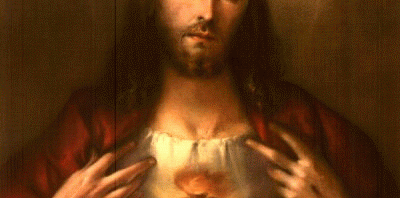
    I remember when I was growing up, often visiting my dear grandmother.  I remember when we visited that she had a beautiful framed picture in the living room, given a spot of honor where everyone could see it, and that picture was of the Sacred Heart of Jesus.  Whenever I think of the Sacred Heart, I remember grandma, whose name was Margaret Mary, named after the saint who promoted veneration of the Sacred Heart in the first place.

    And so, today we celebrate, with incredible gratitude, the Sacred Heart of Jesus.  Through his most Sacred Heart, the love of God is made manifest among us.  This love is a pervasive love that burns in our hearts and changes our lives and leads us back to the God who made us for himself.  This love is irresistible if we give ourselves over to it.  It is a love that pursues us and a love that can go far beyond whatever distance we have fallen from grace.  It is a love that, as Moses tells us in the first reading, does not come to us because we are great, but because God has chosen us, and, as Saint John tells us in the second reading, must continue to be poured out by us onto the world around us.  We who have been loved into existence must love others as we have been loved.  The love of God pours forth from the heart of Christ just as the water and blood poured forth from his side as he hung dead on the cross.  Death could not stop the outpouring of grace that he came to bring.

    Today’s Gospel reading gives us a beautiful picture of God.  God is love, in fact God is a community of love.  We can recognize God’s presence as we experience love; that is how the Son reveals the Father to his people.  God is love and creates us in love and sustains us in love.  In love, we long to return to him one day.

    Today’s feast of the Sacred Heart of Jesus finds us wholly consumed by grace.  We have been loved into existence by our God who made us like himself.  We have been loved into grace by Jesus who gave his life rather than live without us.  And we are being loved into heaven as we give ourselves over to the work of the Holy Spirit who is that love between the Father and the Son.  God is love and today we experience how powerful that love can be if we give ourselves over to it.

  • The Solemnity of the Annunciation of the Lord

    The Solemnity of the Annunciation of the Lord

    Today’s readings

    Fear keeps us from doing all sorts of things the Lord wants for us.  If we would truly let go of our fear and cling to our God, just imagine what he could do in us and through us.  Ahaz was King of Israel, a mighty commander, but yet was so afraid of God and what God might do that he refused to ask for a sign.  Perhaps he knew how far he had strayed from God’s commands, and he was afraid to engage God on any level.  He would prefer to cut himself off from God rather than give himself over to the amazing power of God’s presence in his life and his rule.  Because of that perhaps, he never lived to see the greatness of God’s glory.

    But his weakness did not disrupt the promise.  In the fullness of time, God’s messenger came to a young woman named Mary and proposed to accomplish in her life the sign for which Ahaz was too afraid to ask.  She too was initially afraid, pondering what sort of greeting this was.  She was also confused, not knowing how what the angel proclaimed could possibly take place in her life.  Our reaction to God’s mysterious will for us is quite often the same, isn’t it?

    The difference, though, was that Mary heeded the initial words of the angel that have resounded through Salvation history ever since: “Do not be afraid.”  And, thanks be to God, Mary abandoned her fear and instead sang her fiat, her great “yes” to God’s plan for her, and for all of us.  “Behold, I am the handmaid of the Lord.  May it be done to me according to your word.”  These words are reminiscent of what the Psalmist sings today: “Here I am, Lord; I come to do your will.”
    And we know what happened from there.  Mary certainly knew that none of that could be accomplished through her own efforts, but she absolutely knew that God could do whatever he undertook.  Nothing would be impossible for God, and she trusted in that, and because of that, we have the great hope of our salvation.  We owe everything to Mary’s cooperation with God’s plan for our salvation.

    And so the promise comes to us.  We have the great sign of which Ahaz was afraid, but in which Mary rejoiced.  We too are told that God can accomplish much in our own lives, if we would abandon our fears and cling to the hope of God’s presence and action in our lives.  Can we too be the handmaids of the Lord?  Are we bold enough to say, “Here I am, Lord; I come to do your will?”  All we have to do is to remember the first thing the angel said to Mary: “Do not be afraid.”

  • The Feast of the Baptism of the Lord

    The Feast of the Baptism of the Lord

    Today’s readings

    I think we have to be a little bit careful about how we read and hear today’s readings.  We’re still in the Christmas season – at the end of it, actually – and, more precisely, we’re at the octave day of the Epiphany of the Lord, which we celebrated last week, in which we started to see Jesus revealing himself, manifesting himself, to the world.  Today’s readings are Epiphany readings, too, because they show us even more about who Jesus is and why he came.

    But I say that we have to be careful about how we hear these readings because I think they can lead us to define Jesus by what he does.  And that’s a start, but it’s just inadequate.  Let’s see if we can recognize this a bit more clearly.  In our first reading, the prophet Isaiah tells us about the Suffering Servant, and he says that that suffering servant is one who would “open the eyes of the blind … bring out prisoners from confinement …. and from the dungeon, those who live in darkness.”  So it’s easy to see Jesus as the suffering servant who would bring about justice.  This in itself is pretty huge, but again, if we define Jesus as a justice-bringer, then he’s just a glorified judge or legislator.  But Jesus is the true Suffering Servant: the one who would come and serve the people while himself suffering the effects of the peoples’ sins.  Jesus did in fact came to suffer and die for us, to pay the price for our many sins.  So far from being a judge or legislator, he also stands in place of the condemned – that would be us – and pays the price we deserve for our own lack of justice.

    In our second reading from the Acts of the Apostles, Saint Luke tells us that Jesus “… went about doing good and healing all those oppressed by the devil, for God was with him.”  Going about doing good and healing those who are suffering is a great thing.  But if we see Jesus merely in this way, then he’s just a glorified social worker or physician – there’s nothing special about that.  But during this year of grace, we will see Jesus as the divine physician who heals us from the inside out and makes us fit for heaven.  He won’t be just a food service worker, but instead the one who spreads the lavish feast that becomes food for the journey to heaven, where we are called to the heavenly banquet.

    And we know this is hard because we get confused about our own identities all the time.  We can easily define ourselves or especially others by what we or they do.  “He’s a computer programmer … she’s an attorney … he’s a retail worker.”  Or we may even go so far as to define ourselves or others by superficial factors like nationality or sexual identity.  None of this is adequate; it all falls short of saying who we really are.

    So we’re in a quandary.  If we don’t know who we are, it will be pretty hard for us to see who Jesus is.  If we define ourselves by what we do, then we’re definitely going to look to Jesus to fill a role for us, perhaps a different role depending on where life has us at the moment.  But it’s all inadequate, and we go through life confused.

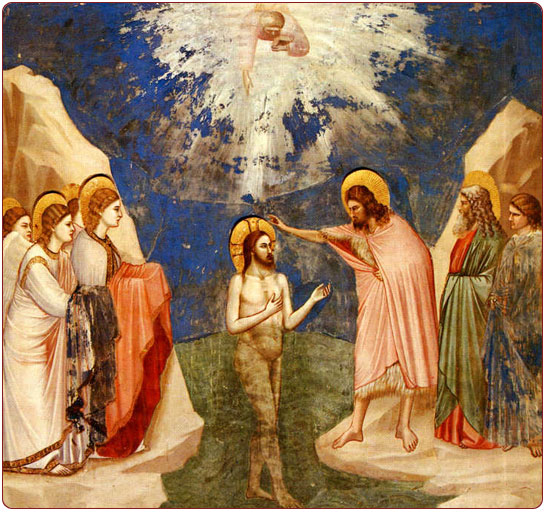
    Until we hear the words of God the Father in today’s Gospel.  With Jesus coming up out of the river Jordan, the Father boldly proclaims: “This is my beloved Son, with whom I am well pleased.”  So Jesus isn’t what he does: he is what he was begotten: the Son of God, who is in relationship with the Father and the Holy Spirit from before time began and until eternity.  Because of this, his interaction with us is life-changing.  Maybe he will heal us of this or that current ailment, but whether he does or whether he doesn’t, he will surely heal us from the inside out, and if we let him, he will lead us to heaven.  Maybe he will help us with a family issue that has us up half the night every day, but whether he does or whether he doesn’t, he will surely give us a strength we never expected that will help us through it.  All we have to do is stop seeing Jesus for what he does, stop expecting him to fill a role, and instead enter into relationship with him as the Son of God who does nothing but please his heavenly Father.

    When we do that – when we enter into relationship with Christ – he will give us identity too.  And not just the paltry identity of what we do or our nationality or whatever, but the real identity that God created us with – our identity as sons and daughters of God.  It is our task to live that identity with authenticity.  And all of this is hard to do.  But thank God he gives us himself and gives us the Church to help us on the way to him.  We sons and daughters of God live for that day when he tells us that with us, too, he is well-pleased.

  • The Solemnity of the Epiphany of the Lord

    The Solemnity of the Epiphany of the Lord

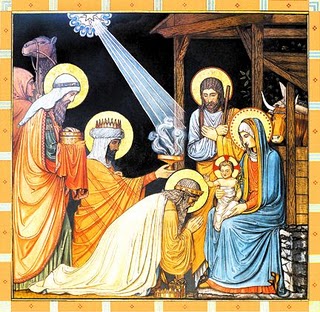
    Today we gather to celebrate the Epiphany of the Lord.  Epiphany is the traditional “twelfth day of Christmas” and we celebrate it on January 6, or the Sunday nearest that date.  Many of our Orthodox brothers and sisters celebrate this as we do Christmas, with the giving of gifts as the astrologers brought gifts to the Christ Child.

    Epiphany is for us and experience of coming to know the Lord.  Epiphany is the day we can begin to see who Christ really is, when our eyes are enlightened, and our hearts are opened.  There is a gift to be had here today; more precisely, I think there are three gifts to be had here today.  The magi famously offered their three gifts: gold, frankincense and myrrh.  Those aren’t the gifts I mean.  The gifts I mean are gifts that today’s Scriptures speak of: gifts that come with this Christ Child … the one who continues to lay sleeping in the manger on this holy day.

    The first fist gift he brings us is justice.  Justice is what people long for in every age.  When everyone has what belongs to them, when no one is poor or needy, when the marginalized are brought into the community, when the wrongly imprisoned are free, when everything is as it should be and we are all in right relationship with one another and with God, that is justice.  People have striven for justice in every age and place.  While we are all called upon to do what we can to make justice happen in our world, we know that we do not ultimately have the power to bring the real justice that this world longs for all by ourselves.  That can only be done by God, and in God’s time.  Our psalmist today says, “Justice shall flower in his days…” The gift the Christ Child brings is the possibility of that great day of justice.  We know that because Christ has died and risen, we can count on the salvation that will be ours on that day when everything is made right.

    The second gift Jesus brings is peace.  Peace, too, can be difficult for us to achieve, and peace, too, has been sought after for ages upon ages.  I don’t think we even really know what peace is or should be.  We often think of peace as the absence of conflict.  And that alone is daunting.  We have conflict in many places today.  We think of Iraq, Afghanistan, and many places in the middle east, to say nothing of Africa, Korea, and many other places.  I’m not even sure, honestly, how to count the number of wars being fought today.  And this says nothing about the lack of peace that is violence in our communities, discord in our families, and unrest in our hearts.  If we are to define peace as just the absence of conflict, it is clear that even that is beyond us.

    But that’s not how God defines peace.  Peace is more than a feeling: it is a way of living, or more exactly, a way of being.  It stems from the right relationship that is justice.  In fact, we are told that if we are to desire peace, we must work for justice because peace can’t happen in an unjust world.  If the mere absence of conflict is a peace that we can’t seem to achieve, how much less will we ever be able to come to a peace that is a completeness of right relationships with God and every other person?  And yet, this child in the manger is the one who has come to bring “peace till the moon be no more.”

    The third gift Jesus brings is light: the revelation of the mystery.  And that’s what we celebrate today.  “Epiphany” means “manifestation;” it means coming to know what’s right in front of us.  Coming to see the revelation of Christ in the Scriptures, in the Church, in the Sacraments, and in every person and place.  It is a celebration of light, light that is the glory of God, appearing and overcoming the darkness of a world that does not know God.  Jesus came to a world that was darkened by the absence of justice and peace, into a world which in some ways didn’t want to be brightened by his life.  So basically, he was coming into a world not much different than the one we experience today.  Our time’s need for justice and peace is obvious, and the world’s refusal to come to the light is well-known.  But we have the light.  Jesus came to bring us that light.  Maybe it’s not the light of the star on that night, but it’s the light of Scripture, of his presence in the Eucharist, and his activity in the Church and in our hearts.We who have received the wonderful gifts of his justice and peace and light, are called to bring those gifts to the world, because the gifts we receive are never just for us.  St. Paul tells the Ephesians – and us too – that we are called to be stewards of these gifts, given to us in grace. And so, just like the magi, we are the ones who need to bring our gifts and open our coffers.  And just like the magi, we are supposed to go look for Jesus so we can offer those gifts.

    The gospel story tells of a light in the sky that guides the astrologers to Christ.  We don’t have the star; but grace is continually given to help us find Christ.  God’s grace does what the star did for the Magi, it guides us to the out-of-the way places where Christ can be found.  The Magi came bearing the types of gifts one would bring to royalty in a palace.  But today Christ isn’t found in a palace; he isn’t rich, he is poor.  The Epiphany reminds us that each day Christ manifests himself to us in the world’s lesser places and in surprising people.  Those are the places to go looking and bearing gifts—starting with the most important gift, which is the gift of ourselves.

    We will come forward in a few moments to pay homage to our king, just as did those Magi so long ago.  When we offer our gifts on this holy day, perhaps we can also offer the gift of ourselves.  Maybe we can offer the gifts that we have received from God.  As we begin this year, perhaps we can resolve to make our giving an act of gratitude for all that we have received.  Nourished by our Savior today, we can go forth in peace to bring gifts of justice, peace, and light to all the world.

  • The Solemnity of Mary, the Holy Mother of God

    The Solemnity of Mary, the Holy Mother of God

    The Church gives us this wonderful feast of Mary, the Holy Mother of God, on this, the octave day of Christmas.  In a very real way, the Church still celebrates this day as Christmas day – that’s one of the wonderful things about being Catholic.  We don’t have to cast off Christmas with the wrapping paper; we don’t toss the trees out on the curb on December the 26th; we get to celebrate for many days.  But to celebrate the eighth day of Christmas as the feast of Mary, the Holy Mother of God is a wonderful and appropriate thing to do.  We all know that Mary’s faith made possible our own lives of faith and even more wonderfully made possible the salvation of the whole world and everyone ever to live in it.  She was the one, chosen by God, to see the Gospel come to life before her very eyes.  She held our God in her faithful and loving hands, treasuring each moment in her heart.

    So Mary’s faith is a model for us.  We often do not know where God is leading us, but in faith we are called to say “yes” to his plan for us anyway.  How willing are we to do that?  We are often called upon to take a leap of faith, make a fiat, and cooperate with God’s work in our lives and in the world.  Just like Mary, we have no way of knowing where that might lead us; just like Mary, that might lead to heartache and sorrow; but just like Mary, it may lead to redemption beyond belief, beyond anything we can imagine.

    And so, yes, Mary is the Mother of God.  And let me tell you, this was a doctrine that came at great price.  People fought over whether a human woman could ever be the mother of God.  How would that even be possible?  But the alternative, really, would be to insinuate that Jesus was not God, because we clearly know that Mary was his mother.  So to say that Mary was not the Mother of God is to say in a very real and theologically dangerous way that Jesus was not God, and we know that’s just wrong.  Jesus was fully human but also fully divine, his human and divine natures intertwined in his person without any separation or division or elevation of one nature at the expense of another.  And so, as theologians teach us, Mary is the Mother of God the Word according to his human nature.  She didn’t give birth to his divine nature; that was begotten by God.  She is not the mother of the First or Third Persons of God; she is the mother of the Second Person, God the Word.  Sister Sarah made us memorize all this in seminary, and every once in a while, when I’m feeling particularly theologically courageous, I reflect on this doctrine and marvel at its beauty.

    So, Mary is the Mother of God, but Mary is also the Mother of the Church, leading its members to her son Jesus and to faith in God.  She is mother of priests, caring for us in a special way and interceding for the faithful work of our calling.  She is the mother of mothers, interceding for them and showing them how to nurture faith in their children.  She is the mother of the faithful, showing us how to cooperate fully with God’s plan.  She is mother of Scripture scholars and those who just love the Scriptures, having seen the Word unfold before her and treasuring it in her heart.  She is the mother of disciples, having been the first of the disciples and the most dedicated of them all.  She is the Mother of God, and our mother, and we cannot sing our Christmas carols without singing her praises too.  We honor her faith and example today, and we ask for her intercession for our lives, for our families, for our Church and our world.

    Pray for us, o holy Mother of God, that we may be made worthy of the promises of Christ.

  • The Nativity of the Lord: Mass During the Night and Mass During the Day

    The Nativity of the Lord: Mass During the Night and Mass During the Day

    Sometimes I wrestle with the question of what is the greatest feast of the Church year.  Easter comes to mind, and probably Good Friday, because it is through the events those feasts commemorate that we were saved from our sins and the possibility of eternal life in the Kingdom of God became real for us.  Lots of Church people would argue that Holy Week is the greatest time of the Church year for that very reason.  And I’m inclined to agree, except for one detail: and that detail is the feast that we celebrate tonight (today).

    Today we celebrate the mystery of the Incarnation.  It’s a great and holy mystery that tells us that God loved us so much, he couldn’t bear to live without us.  When we had gone our own way and wandered far away from him, he pursued us to bring us back.  He went so far as to become one of us: the Great and Almighty One, who is higher than the heavens and more glorious than all the heavenly hosts, this God of ours took on our frail human flesh to walk among us and touch us and bring us back to himself.  He so perfectly assumed our humanity that although he never sinned, he willingly laid down his life for us, paying the price for our sins, the price of a tortuous, ignominious death on a cross.  And far from letting death have the last word, God raised him up, gloriously throwing open the gates of the Kingdom for all to enter in.

    This, brothers and sisters, is truly a great and wonderful feast!  It’s no wonder the angels sang on that glorious night!  If it weren’t for the incarnation – Jesus’ taking on our mortal flesh – there could never be a Good Friday or an Easter, there could never be salvation, never be hope for us.  But there is.  That’s the good news that we celebrate tonight (today) and every day of our lives.

    Knowing God’s love in this way is the whole reason the Church exists.  That people would not know God’s love and not experience his friendship was so unthinkable to the early followers of Jesus that they went forth everywhere preaching the Good News of God’s love and grace.

    So we come to this holy place tonight, gathered together to gaze on the gift of Christ in our Manger.  The message of this peaceful scene is that God wants to save the world.  He created us in love and for love, so he greatly desired in his grand plan that we would all come back to him one day and live forever with him in the kingdom.  But he knew that, steeped in sin as our world can be, fallen and flawed, as we individually can be, that we could never really return to him on our own.  We were – and are – too caught up in things that are not God and that are not ultimately going to bring us happiness.  So he knew that the only thing that he could do was to enter our history in a decisive way.

    And he could have done that in any way that he pleased – he is God after all: all-powerful, all-knowing and present everywhere.  John’s Gospel, though, tells us just exactly how God chose to enter our history: “And the Word became flesh and made his dwelling among us.”  He chose not just to visit us, but instead to become one of us, taking upon himself all of our weaknesses, our pain, and our sorrows.  He was born a baby: the all-powerful One taking on the least powerful stage of our existence.  He was born to a poor family and announced to an unwed mother.  The one who created the riches of the world and who himself was clothed in the splendor of the Almighty turned aside from all of it so that he could become one with his people.  Because he chose to take upon himself all that we must go through and then some, he is the way to salvation for all of us.

    The only way that the full brokenness of our human form could be redeemed was for Jesus to take on all of it when he came to save us.  That’s why his birth was so messy, why he had to be born in a manger with all the farm animals, that’s why he never had a place to lay his head in all his life.  What is amazing is that, as wretched as our earthly lives can be sometimes, God never considered himself above it all, never hesitated for a moment to take it on and fill it with grace.

    God didn’t take on our form so that he could become less, he took on our form so that we could become more.  So, yes, God becomes one of us and takes on all of our infirmities and weaknesses.  But in doing that, we ourselves become more than we could ever be on our own.  Our lowliness is filled with grace, our sadness is filled with rejoicing.  That was always the plan God had for us.

    That’s our story.  It’s really important that we don’t forget it, even more important that we tell it to everyone we can.  It’s the best and really only reason for us to celebrate so joyfully every December the 25th.  Our story is what makes us who we are, what defines us as a Church and as a people.  The story of Christ’s Incarnation is what makes us a living sign of God’s love in the world.  That is who we really are, despite the world’s attempts to define us as something less.  The great gift of God’s love shines glorious light into every dark corner of our world and of our lives and calls us broken ones to redemption and healing and joy.

    It’s crucial for us to live that story and not accept what others want to make us.  If you’re joining us for the first time tonight, or if you’re visiting family, or if you came here looking for something more for Christmas, then we welcome you and we hope that you experience Christ’s presence among us.  We hope that you find in your time with us and with the Lord tonight (today) a desire to go deeper in life and find the meaning of it all.  Please know that we would be glad to help you in that journey, and see our bulletin, or one of us, to point you in the right direction.  If you’re an active member of our parish family, then I hope the message that you receive tonight and your encounter with Christ tonight leads you to a desire to share Christ’s presence with others.

    The Incarnation – the birth and personhood of Jesus Christ – along with his Passion, death and Resurrection, changes everything.  When we all rediscover Christ, the Incarnation can change us too, so that we may then go out and change the world around us.  When that happens in us, the angels will sing just as joyfully now as they did on that most holy night.  Glory to God in the highest, and on earth peace to people of good will!