Category: Liturgy

  • The First Sunday in Lent

    The First Sunday in Lent

    Today’s readings

    During the Easter Vigil Mass, less than forty days from now, we will be asked three very important questions: Do you reject Satan? And all his works? And all his empty show? The response to each of these questions, of course, is “I do,” and we are called to answer them so that we can remind ourselves of the promises that were made at our Baptism and to recommit ourselves to the single-mindedness our faith requires. We see in today’s Liturgy of the Word first the consequences of forgetting these promises, and then the dedication that keeping them requires.

    The first reading gets to the root of the true nature of sin. The man and the woman, that is, our first parents, have been given everything they could ever need or hope for. They were, in fact, made in God’s image and likeness, which gives them an exalted place in all creation. All of the creatures of the earth and all of the plants have been given to them as food, except for the one tree, the tree of the knowledge of good and evil. They are fine and happy and even care-free when they follow God’s command. But, as often happens, eventually everything they could ever hope for is not nearly enough.

    Along comes the cunning serpent, and he convinces the woman, who convinces the man, that if they eat of the tree, they would know everything. So they eventually decide that they need to know everything more than they need to know God, and they eat of the rotten fruit, and with it come all the consequences of a life of sin. The care-free days are gone, and they need to cover themselves with fig leaves. They fear God’s wrath, and hide from him. They have unleashed the horrible cycle of grasping and hiding: longing for more than they need, they grasp at what they should not have; taking what they cannot handle, they hide from the God who is their creator and maker. They have decided they didn’t need God, but find out when it’s too late that God is the only one who can help them.

    Repeat the cycle millions of times throughout the ages: grasping and hiding, and you have the true nature of original sin. We inherit from our first parents the desire to grasp for more than we need and more than we can handle, then we get from that the fear that comes with receiving what we should not have and we have to hide from the One who is our only hope. All of sin is grasping and hiding.

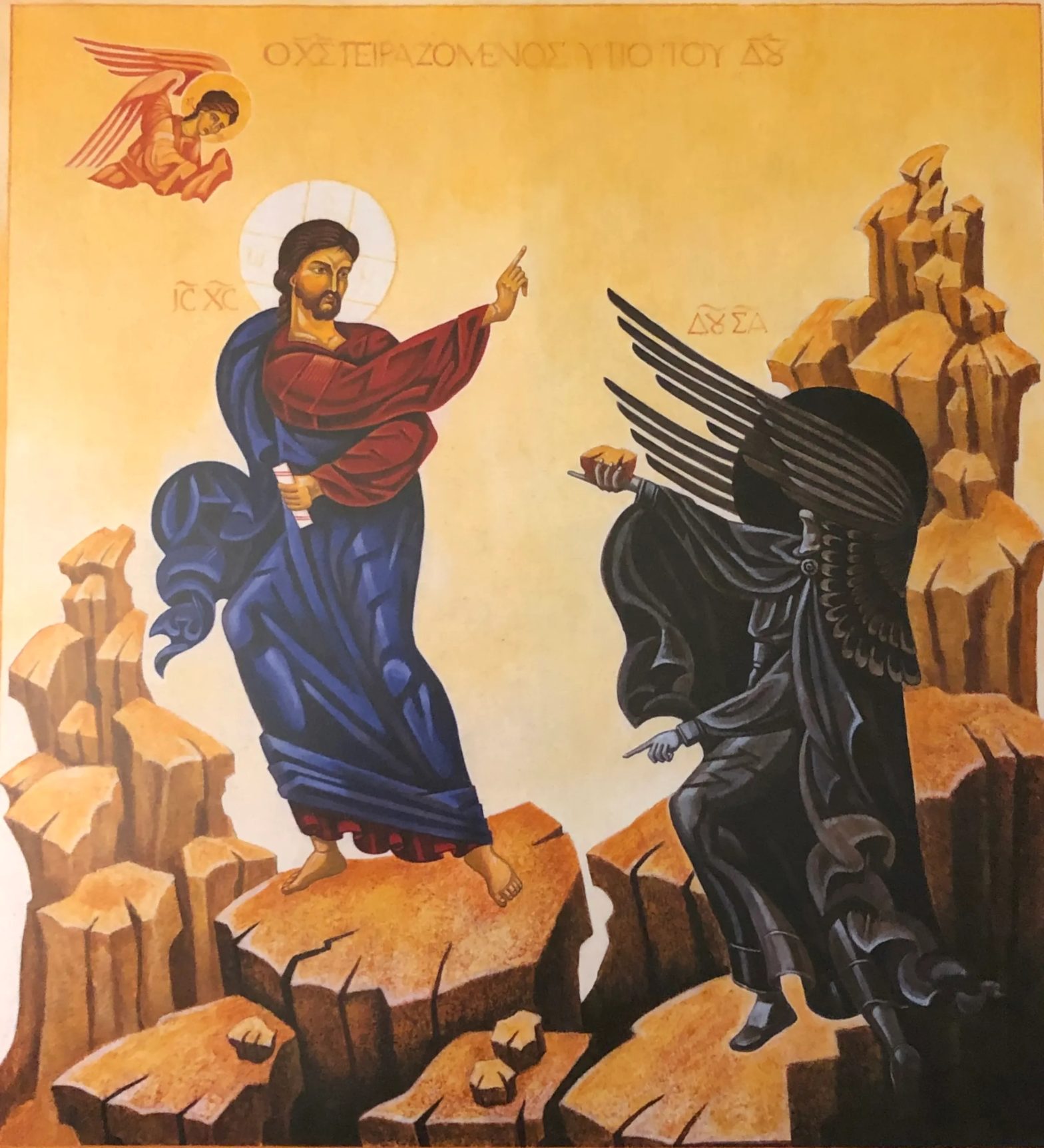
    And so Satan, cunning serpent that he is, tests Jesus in the desert. Jesus submits to the temptation because that is the only way he can be one with all of us tortured and tempted souls. Satan promises Jesus more than he needs and hopes he will forget who he is, and grasp for it and end up hiding from God, but Jesus sees through the tempter’s empty show, and resists to show us that there is a way out of calamitous desperate cycle of grasping and hiding.

    Satan tells Jesus he can stop hungering if he would just turn the stones into bread. The Son of God could certainly do so, and then he wouldn’t be hungry any more. He wants Jesus to decide that he doesn’t need God the Father to give him what he hungers for and to grasp at what would fill him up. But Jesus quotes the scripture saying that bread alone won’t fill up the hungers of the human heart.

    But Satan can quote Scripture too, and he tempts him to throw himself off the parapet of the temple, saying that God would certainly send angels to take care of him. He wants Jesus to decide that he can be reckless and ignore the consequences of tempting God, and to grasp at eternity in the vain hope of getting there without God. But Jesus knows his Father is trustworthy and does not need to prove it, and should never be tested.

    So now Satan brings out the heavy artillery. He plays on the very human desire to have it all. Jesus need not wait on God’s providence, Satan himself could give him all the kingdoms of the world. All Jesus has to do is grasp at what he does not need and worship the one who cannot save. And Jesus knows that worshiping anyone other than God is foolishness, and that it’s not worth having everything if you give up your soul to get it.

    Grasping and hiding, that’s what the devil wants for us. What God wants for us is giving and trusting. If we give ourselves to him, we can trust in God’s goodness to provide everything that we really need, and way more than we could ever hope for.

    But giving and trusting is much harder than grasping. Because we have all sorts of hungers. Hunger for foods we do not need to eat. Hunger for relationships that lead us to bad places and away from God and community. Hunger for self-worth that causes us to work ourselves to death. Hunger for euphoria that leads us to all sorts of addictions. Maybe we can’t turn stones into bread, but we grasp at things we do not need all the time.

    And we have this idea that immortality is ours for the taking. We may not throw ourselves off the parapet of the temple, but we throw ourselves into making poor investments or gambling or get-rich-quick schemes thinking that there will always be a way to get out of the mess tomorrow. We throw ourselves into risky behavior in driving faster than we should, or drinking, or overeating – in so many ways we grasp at eternity thinking we will never die.

    But maybe most of all we want all the things we do not have and maybe cannot have or should not have. We want the latest gadgets, we want the biggest houses, we want the most money, we want it all. And there are lots of easy ways to get it if we are willing to sell our souls. Maybe we’re not actually worshiping Satan, but it definitely isn’t worshiping God.

    At the root of our sinfulness is the thought that we do not need God. That we can get what we want by grasping at things beyond us. And then we end up in just the same place as our first parents, all over again, hiding from God lest he find out we have tried to cheat him out of what he wants to give us anyway.

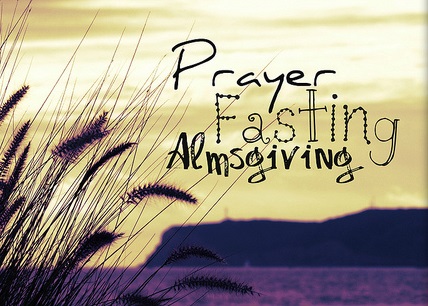
    The antidote to grasping and hiding is letting go – giving of ourselves and trusting that God will give us what we need. That can be the treasure of Lent for us. In fasting, we can let go of the idea that we can provide what is necessary for our survival. God can feed our hungers much better than we can. In almsgiving, we can let go of the idea that everything is ours if we would just worship the one who cannot give us what we truly need. God gives us what’s really necessary in life, and also life eternal. And in prayer, we can let go of the cycle of grasping and hiding and return to God in trust and love.

    David the Psalmist knew that he had sinned greatly in grasping for what he could not have. And so the Psalm he sings today is a model for us of letting go of all that and trusting in God’s grace to give us what we truly need:

    A clean heart create for me, O God,
    and a steadfast spirit renew within me.
    Cast me not out from your presence,
    and your Holy Spirit take not from me.
    Give me back the joy of your salvation,
    and a willing spirit sustain in me.
  • Friday after Ash Wednesday

    Friday after Ash Wednesday

    Today’s readings

    Sometimes people say they aren’t giving up something for Lent, they’re just going to try to do “something positive.” I think that’s a little permissively vague, to be honest. I usually tell people it doesn’t just have to be one or the other. In fact, the Church teaches that it shouldn’t just be one or the other. Today’s Liturgy of the Word makes it clear that it very definitely should be both.

    Fasting is important because it helps us to see how blessed we are. It is important because it helps us to realize that there is nothing that we hunger for that God can’t provide. Fasting teaches us, once again, that God is God and we are not. This is important for all of us independent-minded modern-day Americans. We like to be in charge, in control, and the fact is that whatever control we do have is an illusion. God is in control of all things, even when it seems like we are in chaos. Fasting teaches us that we can do without the things we’ve given up, and that God can provide for us in much richer ways. So, as I preached on Wednesday, we have to give up something meaningful, perhaps harmful attitudes, or treating the people in our lives badly. Fasting is absolutely essential to having an inspiring, life-changing Lent, and I absolutely think that people should give things up for Lent.

    But giving something up for Lent does not excuse us from the obligation to love our neighbor. This falls under the general heading of almsgiving, and along with fasting and prayer, it is one of the traditional ways of preparing our hearts for Easter during Lent. We might be more mindful of the poor, contributing to a food pantry or a homeless shelter or relief organization. But perhaps more meaningfully, we might reach out by serving in some capacity, like volunteering at a food pantry, or helping out at a shelter. We also might give the people closest to us in our lives a larger portion of the love that has been God’s gift to us, in some tangible way. Today’s first reading reminds us that fasting to put on a big show is a sham. Fasting to bring ourselves closer to God includes the obligation of almsgiving and prayer. Together, these three facets of discipleship make us stronger Christians and give us a greater share of the grace that is promised to the sons and daughters of God.

  • Friday of the Fifth Week in Ordinary Time

    Friday of the Fifth Week in Ordinary Time

    Today’s readings

    “He makes the deaf hear and the mute speak.”

    This is good news for us, even if we can hear perfectly and speak without impediment. It is good news because we might just have to admit that we hear selectively and speak impetuously on occasion, right? We have to read this Gospel reading with attention to our spiritual lives in order for its message to live in our hearts.

    Maybe Solomon in our first reading (and the first readings the last couple of days) could have turned to God for healing from deafness. If he had, maybe he would have heeded the Lord’s command not to marry into the pagan families of the land and pick up their customs. Then he wouldn’t have lost all but one of the tribes of Israel for his family and splintered the nation.

    But it’s not just Solomon, not just the deaf mute, not just the Pharisees who need to have their hearing and speech healed. To those who turn a deaf ear to their family, or to the cry of the poor, Jesus says, “Ephphatha!” To those who sometimes gossip, or who have stuck their foot in their mouth in a social setting, or who have spoken ill of others, Jesus says “Ephphatha!” Jesus opens up the ears and mouths of those who turn to them so that they can hear the truth and proclaim it.

    What is the word we need to hear today? What is God saying to us? What words do we need to speak today? When should we be silent? Today we all pray that Jesus’ word of healing – “Ephphatha!” – would help us deaf ones hear and mute ones speak.

  • Saturday of the Fourth Week in Ordinary Time

    Saturday of the Fourth Week in Ordinary Time

    Today’s readings

    In our Gospel reading today, Jesus offers the Apostles an opportunity. They had been so busy, they had no opportunity to eat, let alone rest. They had just come from the mission he sent them out on back in Thursday’s Gospel reading. So he invites them on retreat: “Come away by yourselves to a deserted place and rest a while.” He gives them a chance to recharge, to rest and grow. Meanwhile, Jesus continued the ministry of preaching and teaching.

    I think that opportunity for rest is one that we often neglect in our daily lives. Like the apostles, we have so many things that demand our attention: the demands of family, work, and community. We need that sabbath rest in order to recharge, rest, and grow. If we neglect it long enough, we end up burnt out and bitter, not helpful to our salvation, or the good of those we are trying to serve and live with. So today, we come to be fed by the Eucharist and nourished in prayer; we come to receive the gifts that we need to live our lives and serve those we are meant to serve.

    None of us is meant to do what we are put on earth to do all by ourselves. Our Lord wants to give us what we need. That’s why he told the apostles on Thursday to “take nothing for the journey but a walking stick – no food, no sack, no money in their belts.” If they packed everything they’d ever need, they would be burdened carrying it all, and, they wouldn’t need him. But the only way they really could do what he needed them to do was to rely on him and the gifts he wanted to give them. At the beginning today’s gospel reading, it seems like they are absolutely bubbling with excitement, reporting all they had done and taught. Because they relied on Jesus.

    We too are called to rely on Jesus, and his gifts, and to come away by ourselves and rest in him.

  • Wednesday of the Fourth Week in Ordinary Time

    Wednesday of the Fourth Week in Ordinary Time

    Today’s readings

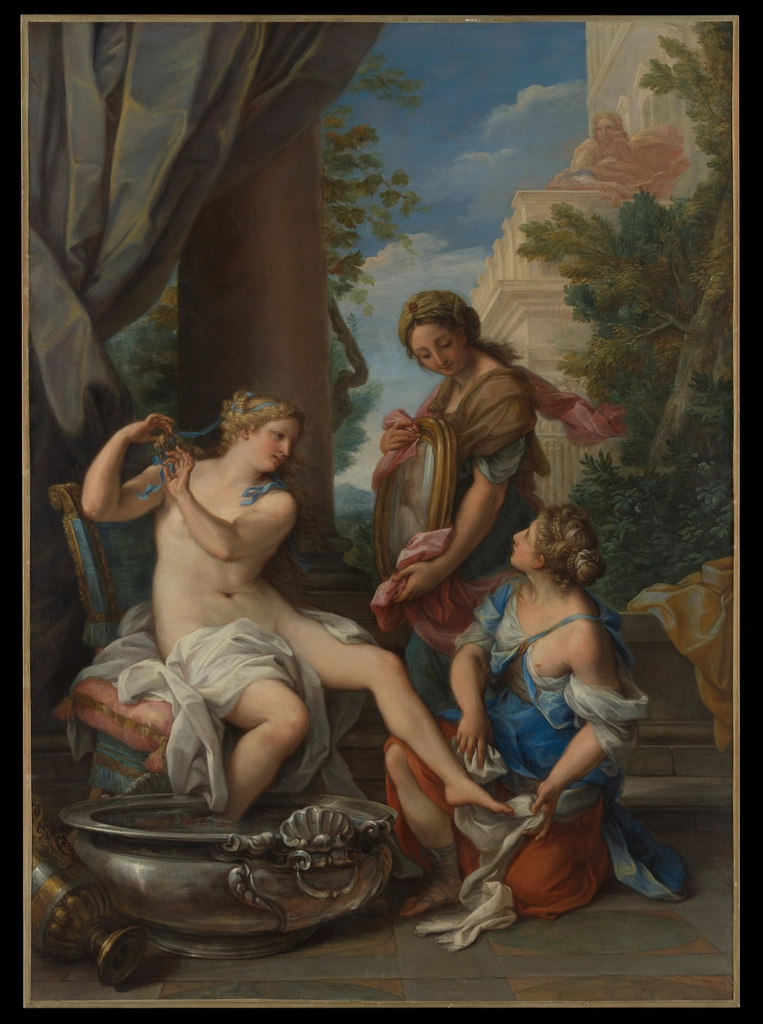
    Second Samuel, which we have been reading in our first readings over the last couple of weeks, paints King David, the ancestor of Our Lord, as a very human, very flawed man. Last Friday, we heard of his exploits with Bathsheba, which resulted in him murdering her husband, Uriah the Hittite. Yesterday’s reading, if it had not been Saint Blaise’s memorial, talked about the death of his son Absalom in battle.

    Today’s first reading shows a flawed David too, but maybe the flaw isn’t as easy to understand. But Joab, the leader of David’s army, can see it. In some of the verses that our first reading omits, Joab tries to dissuade David by saying: “May the LORD your God increase the number of people a hundredfold for my lord the king to see it with his own eyes. But why does it please my lord to do a thing of this kind?” Joab can see what David is choosing to ignore: that David should be content with the Lord’s blessings, and not try to take inventory. But David is convinced and the census takes place.

    What makes this even weirder is that in verse one of the 24th chapter of second Samuel, the verse that comes just before the reading we have, it is God himself who incites David to do this thing, because God is angry with the way the nation has been behaving. It’s almost like God used David to punish Israel for their sins.

    But it’s important to remember that David isn’t innocent in all this. He too has contributed to the sins of Israel, and so the punishment is warranted. Thank God that he has mercy at the end of the reading, putting an end to the pestilence.

    So here’s the thing. It’s a weird story, and it paints an Old Testament picture of a God who is quite different than the mercy we see in Jesus. But the message that we have to get is that the whole idea here is to stay in relationship with God. The Israelites wanted to ignore God unless they really, really needed him, relying instead on their alliances with pagan people, and committing the same sins as they did. Even good King David was caught up in that. The point of this reading is that God is not without mercy, but he wants his people to acknowledge their need for it. David does in the responsorial psalm, calling out to God, “Lord, forgive the wrong I have done.”

  • The Fourth Sunday in Ordinary Time

    The Fourth Sunday in Ordinary Time

    Today’s readings

    Today’s readings give us a little instruction on the virtue of humility. Humility is the virtue that reminds us that God is God and we are not. That might seem pretty obvious, but I think if we’re honest, we’d all have to admit that we have trouble with humility from time to time. The deadly sin that is in opposition to humility is pride, and pride is perhaps the most common sin, and really the most serious sin. We might think of all kinds of other sins that seem worse, but pride completely destroys our relationship with God because it convinces us that we don’t need God. That was the sin of the Israelites building the golden calf in the desert, it was the sin of the Pharisees arguing with Jesus, it was even the sin of Lucifer in the first place, and it is the sin of all of us, at some level, at some times in our lives.

    Pride is pretty easy to recognize when it’s blatant: it is the person boasting of their abilities or their possessions or their accomplishments or status, claiming all the glory for themselves, putting others down in the process, and never even mentioning God. But that’s not the only face of pride. Another face of pride realizes that we are in a sorry state, but doesn’t want to bother God with our problems so we try to figure them out ourselves. It never works, and so we continue to feel miserable, but we also offend God in the process. A similar face of pride looks to accomplish something important, maybe even something holy. But we go about it without immersing it in prayer and forge ahead with our own plans. Again, we often fail at those times, and we certainly offend God.

    The only antidote to pride is the virtue of humility. Humility is the way of living that accepts the difficulties and challenges of life as an opportunity to let God work in us. It is the state of being that admits that everything we are and everything we have is a gift from God, and spurs us to profound and reverential gratitude for the outpouring of grace that gets us through every day and brings us to deeper friendship with God.

    So today we hear the very familiar Beatitudes. I know that when I was learning about the Beatitudes as a child, they were held up as some kind of Christian answer to the Ten Commandments. I don’t think that’s particularly valid. One might say, however, that the Ten Commandments are a basic rule of life and the Beatitudes take us still deeper.

    I also remember thinking, when I was learning about the Beatitudes, that these seemed like kind of a weak way to live life. I mean, who can live up to all these things anyway? And who would want to? Do you know anyone who would actively seek to be poor, meek or mourning? And who wants to be a peacemaker? Those people have more than their share of grief.

    So I think when we hear the Beatitudes today, we need to hear them a little differently. We need to hear them as consolation and encouragement on the journey. Because at some point or another, we will all be called upon to be poor, meek and mourning. That’s just life. And the disciple has to be a peacemaker and seek righteousness. We will have grief in this lifetime – Jesus tells us that in another place. So what Jesus is saying here, is that those of us undergoing these sorts of trials and still seeking to be righteous people through our sufferings are blessed, even happy.

    So does anyone really believe that? I mean, it’s quite a leap of faith to engage our sufferings and still be sane, let alone happy. The ability to see these Beatitudes as true blessings seems like too much to ask. And yet, that’s what we disciples are being asked to do.

    I think a good part of the reason why this kind of thinking is hard for us, is that it’s completely counter-cultural. Our society wants us to be happy, pain-free and without a concern in the world. That’s the message we get from commercials that sell us the latest in drugs to combat everything from indigestion to cancer – complete with a horrifying list of side-effects. That’s the message we get from the self-help books out there and the late-night infomercials promising that we can get rich quick, rid our homes of every kind of stain or vermin, or lose all the weight you want in just minutes a day. That’s the message we get from Oprah, Dr. Phil, and Joel Osteen and their ilk, who encourage us never to be second to anyone and to do everything possible to put ourselves first. If this is the kind of message we get every time we turn on a television, or surf the internet, who on earth would want to be poor in spirit? Who would want to be meek? Who would even think to hunger and thirst for righteousness?

    Now this is an important point: Pride is just the way we live, culturally speaking. We are always right, and if we’re not, we certainly have a right to be wrong. We can accomplish anything we set out to do, and if we fail, it was someone else’s fault. We don’t need anyone’s help to live our lives, but when we’re in need, it’s because everyone has abandoned us. We are culturally conditioned to be deeply prideful people, and it is absolutely ruining our spiritual lives.

    Jesus is the One who had the most right of anyone to be prideful. He is God, for heaven’s sake – I mean, he really could do anything he wanted without anyone’s help. But he chose to abandon that way of living so that we could learn how to live more perfect lives. He abandoned his pride and in humility took on the worst kind of death and the deepest of humiliation.

    So what if we started to think the way Jesus does? What would happen if we suddenly decided it wasn’t all about us? What would happen if we decided that the utmost priority in life was not merely taking care of ourselves, but instead taking care of others, trusting that in that way, everyone – including ourselves – would be taken care of? What would happen if we were not completely consumed with ourselves and so did not miss the opportunity to come to know others and grow closer to our Lord? That would indeed be a day of great rejoicing and gladness, I can assure you that.

    And I’m not saying you shouldn’t take care of yourself. We all need to do that to some extent, and maybe sometimes we don’t do that as well as we should. But when we consume ourselves with ourselves, nothing good can come from it. Maybe this is a kind of balance that we could spend these weeks leading up to Lent striving to achieve.

    Today’s Liturgy of the Word calls us to a kind of humility that remembers that God is God and we are not. It is the only real antidote to the destructive, deadly sin of pride that consumes our society and us on a daily basis. This isn’t some kind of false humility that says we are good for nothing, because God never made anything that was good for nothing. Instead, it is a humility that reminds us that what is best in us is what God has given us. As St. Paul says today, “God chose the foolish of the world to shame the wise, and God chose the weak of the world to shame the strong, and God chose the lowly and despised of the world, those who count for nothing, to reduce to nothing those who are something, so that no human being might boast before God.” If we would remember that everything that we have and everything we are is a gift to us, if we would remember that it is up to us to care for one another, if we would remember that being consumed with ourselves only makes us feel worse than ever, if we would but humble ourselves and let God give us everything that we really need, we would never be in want. Blessed, happy are we; rejoice and be glad!

  • Friday of the Third Week in Ordinary Time

    Friday of the Third Week in Ordinary Time

    Today’s readings

    The story of David and Bathsheba and Uriah the Hittite is a compelling one. It almost seems like the kind of thing you’d hear on a soap opera or some kind of crime drama. But here we have it right at the beginning of our Liturgy of the Word today. This reading is teaching us the fact that we all need a Savior. Even the greatest among us is a sinner. David, the Lord’s anointed, the one from whose lineage the Savior was to be born, even he was tragically flawed and needed that very Savior.

    We see David’s sin grow in intensity. First he does not go down with his army on the campaign, even though the reading makes it clear that going on campaign with his army was something kings did at that time of the year. But instead, David takes a siesta in his palace. Then he rises and notices Bathsheba. And he notices her with something more than a passing glance. Then he lusts after her. He then sends for her and has relations with her – he may even have raped her, because we are not told how willing a participant Bathsheba was in this whole affair. Finally, when it became apparent that the affair would be known, he has Uriah the Hittite killed in battle to cover up the sin. This is the kind of thing that happens when sin is not confessed and is allowed to fester. David went from impure thoughts to murder pretty quickly.

    Today’s Psalm, Psalm 51, was written by David after the Lord convicted him of a different sin. But it is the model of how he made amends to God. He makes a perfect act of contrition: he confesses his sin, asks pardon for his offense, and prays that he would be restored to the rejoicing and gladness that God’s people are promised.

    The Kingdom of God is supposed to be like that tiny mustard seed, planted in the garden, that grows to a humongous plant that becomes a refuge for the birds of the air. The way to water and tend that seed is by confessing our sin, allowing God to work his mercy in our lives, and allowing him to restore us to the rejoicing and gladness that we were created for. Have mercy on us, O Lord, for we have sinned.

  • Thursday of the Third Week in Ordinary Time

    Thursday of the Third Week in Ordinary Time

    Today’s readings

    There’s a little line in the Gospel reading that could pass us right by, or at least puzzle us to the extent that we forget it and move on. But I don’t think we should. That line is: “Take care what you hear.” It closely follows Jesus’ other hearing-related line: “Everyone who has ears ought to hear.”

    Sometimes we choose to hear just what we want to hear, sometimes we pick news sources and podcasts that are less than ethical and cause us consternation and detract from the Truth, and that is absolutely the opposite of what our Lord is counseling today. Instead, we ought to be ready to hear the Truth, and to speak and witness to that Truth at all times, like a lamp on a lamp stand.

    And so we might spend less time on the internet and in front of the television, and instead devote more time to prayer, reading and studying scripture, and activities that help us to grow in our faith.

    This reminds me of the story of the conversion of Saint Ignatius of Loyola, who during recovery after injury in battle, read both romantic stories and stories of the saints. He discovered that reading the romantic stories left him feeling anxious and empty, but reading the stories of the saints left him uplifted and wanting to hear more. The Truth is like that. Take care what you hear.

    We will be measured by our willingness to be people of Truth, and when we have courage to bring the Truth to a world in need of hearing it, still more graces will be measured out to us.

    Take care what you hear.

  • The Third Sunday in Ordinary Time: Sunday of the Word of God

    The Third Sunday in Ordinary Time: Sunday of the Word of God

    Today’s readings

    Many years ago now, before I went to seminary, this parish put on a production of the musical Godspell, and somehow I found myself part of the cast. If you’ve ever seen the musical, you know that it is based on the Gospel of Matthew, the Gospel that we are reading during this current Church year. I remember the first song of the musical was kind of strange to me at the time. It’s called “Tower of Babel” and the lyrics are a hodge-podge of lots of philosophies and philosophers throughout time. I didn’t get, at the time, the significance of the song, but I do now. The song represents the various schools of thought about God, over time. It shows how philosophy at its worst has been an attempt to figure out God by going over God’s head, by leaving God out of the picture completely.

    The song ends abruptly and goes right into the second song of the musical, “Prepare Ye,” of which the major lyric is “Prepare ye the way of the Lord.” The message that we can take from that is that the useless, and in some ways sinful, babbling of the pagan philosophers was once and for all settled by Jesus Christ. If we want to know the meaning of life, if we want to know who God is, we have only to look to Jesus. That’s true of most things in life.

    That’s what is happening in today’s Liturgy of the Word too. The people in the first reading and in the Gospel have found themselves in darkness. Zebulun and Naphtali have been degraded. They have been punished for their sinfulness, the sin being that they thought they didn’t need God. They thought they could get by on their own cleverness, making alliances with people who believed in strange gods and worshiped idols. So now they find themselves in a tower of Babel, occupied by the people with whom they tried to ally themselves. Today’s first reading tells them that this subjection – well deserved as it certainly was – is coming to an end. The people who have dwelt in darkness are about to see a great light.

    The same is true in another sense for Peter and Andrew and the sons of Zebedee in today’s Gospel. These men have been fishermen all their lives. Reading the Gospels and seeing how infrequently they catch anything unless Jesus helps them, we might wonder how successful they were at their craft. But the point is that fishing is all they’ve ever known. These are not learned men, nor are they known for their charisma or ability to lead people. But these are the men who Jesus calls as apostles. One wonders if they had any previous knowledge about Jesus, because on seeing him and hearing him and recognizing the Light of the World, they drop everything, turn their backs on the people and work they have always known, and follow Jesus, whose future they absolutely could never have imagined.

    All of this is good news for us. Because we too dwell in darkness at times, don’t we? We can turn on the news and see reports of men and women dying in war, crime and violence in our communities, corruption in government, and so much more. Then there is the rampant disrespect for life through the horrific sin of abortion, as well as euthanasia, hunger and homelessness, racism and hatred, intolerance of people who have different opinions, and so much more. Add to that the darkness in our own lives: illness of a family member or death of a loved one, difficulty in relating to family members, and even our own sinfulness. Sometimes it doesn’t take much imagination to know that our world is a very dark place indeed.

    But the Liturgy today speaks to us the truth that, into all of this darkness, the Light of Christ has dawned and illumined that darkness in ways that forever change our world and forever change us. One of the Communion antiphons for today’s Liturgy speaks of that change. Quoting Jesus in the Gospel of John, it says this:

    I am the light of the world, says the Lord;
    whoever follows me will not walk in darkness,
    but will have the light of life.

    There is an antidote available for the darkness in our world and in our hearts, and that antidote is Jesus Christ. The limits that are part and parcel of our human existence are no match for the light that is God’s glory manifested in Christ. This is what we mean by the Epiphany, and we continue to live in the light of the Epiphany (which we celebrated three weeks ago) in these opening days of Ordinary Time. Now that Jesus Christ has come into the world, nothing on earth can obscure the vision of God’s glory that we see in our Savior.

    Pope Francis, of blessed memory, has made this particular Sunday each year a celebration of the Word of God. He means for us to spend time opening the Scriptures and finding the manifold riches that are there. That’s what our Mass is always about. Read carefully through the order of Mass and you’ll find scripture in every part of it. Not just in the Liturgy of the Word – that’s a given, but in each and every one of the prayers of Mass. Catholic worship isn’t something someone made up: it is literally a celebration of the Word of God from beginning to end. And that makes sense, when you think about it: if we are called to “Go and announce the Gospel of the Lord,” as one of the dismissal formulas invites us, we can do that with confidence because we have just been fed on the Gospel in every part of our Mass.

    The Mass, too, is an Epiphany celebration at every point of the liturgical year. Because when we’re attentive to the Word of God and the prayer of the Mass, we can’t possibly miss Jesus present among us. So Pope Francis on this Sunday of the Word of God encouraged us to devote ourselves to God’s word: to join a Bible study, to help others break open the word by leading that part of the OCIA, to teach the scriptures to children in our school and religious education programs, to proclaim the Word at Mass. Do any one of those things, sisters and brothers, and I guarantee you’ll grow in your knowledge of scripture. And, turning a famous saying of Saint Jerome around to the positive, knowledge of scripture is knowledge of Christ.

    Jesus came to be good news for us. He is the Word of God incarnate among us, not just two thousand years ago, but even now if we would give ourselves over to loving the scriptures. So for those of us who feel like every day is a struggle of some sort, and who wonder if this life really means anything, the Good news is that Jesus has come to give meaning to our struggles and to walk with us as we go through them. For those of us who are called to ministries for which we might feel unqualified – as catechists, Eucharistic Ministers, Lectors, OCIA team members, small group leaders or retreat leaders – we can look to the Apostles and see that those fishermen were transformed from the darkness of their limited life to the light of what they were able to accomplish in Christ Jesus. Wherever we feel darkness in our lives, the Good News for us is that Christ’s Epiphany – his manifestation into our world and into our lives – has overcome all that.

    As the Psalmist sings for us today, the Lord truly is our light and our salvation.

  • The Feast of the Baptism of the Lord

    The Feast of the Baptism of the Lord

    Today’s readings

    I think we have to read and hear today’s readings very carefully. We’re still in the Christmas season – at the end of it, actually – and, more precisely, we’re at the octave day of the Epiphany of the Lord, which we celebrated last week, in which we started to see Jesus revealing himself, manifesting himself, to the world. Today’s readings are Epiphany readings, too, because they show us even more about who Jesus is and why he came.

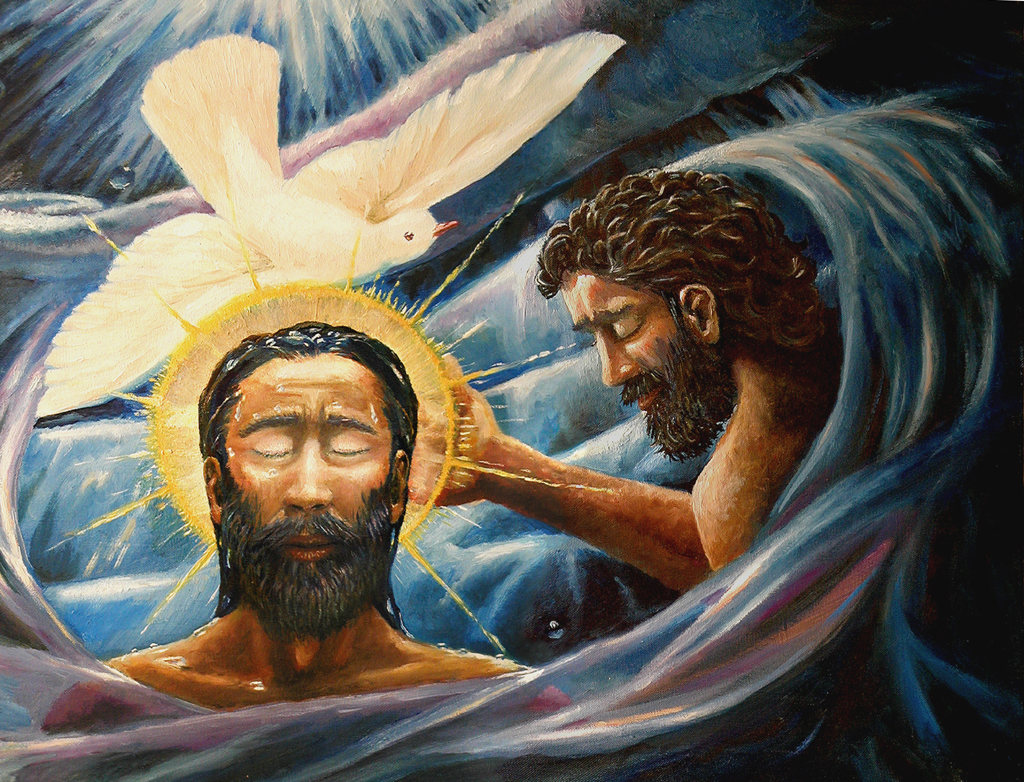
    In these readings he comes to be baptized by his cousin, Saint John the Baptist, in the River Jordan. This one moment says a lot about his mission: namely, that he came to be identified to us sinners. Now, that’s not the same thing as saying that he came to sin: clearly he was like us in all things but sin. But John’s baptism was one of repentance for the forgiveness of sins, which Jesus did not need to do. So why did he do it? He did it to say loudly and clearly that he loves us so much that he takes on our flesh and our sin – not his sin, because he never sinned – he takes on our sins so that they can be forgiven and washed away in his own baptism.

    But I say that we have to hear these readings carefully because I think they can lead us to define Jesus by what he does. And that’s a start, but it’s just inadequate. Let’s see if we can recognize this a bit more clearly. In our first reading, the prophet Isaiah tells us about the Suffering Servant, and he says that that suffering servant is one who would “open the eyes of the blind … bring out prisoners from confinement …. and from the dungeon, those who live in darkness.” So it’s easy to see Jesus as the suffering servant who would bring about justice. This in itself is pretty huge, but again, if we define Jesus as simply a justice-bringer, then he’s just a glorified judge or legislator. But Jesus is the true Suffering Servant: the one who would come and serve the people while himself suffering the effects of the peoples’ sins. Jesus did in fact came to suffer and die for us, to pay the price for our many sins. So far from being a judge or legislator, he also stands in place of the condemned – that would be us – and pays the price we deserve for our own lack of justice.

    In our second reading from the Acts of the Apostles, Saint Luke tells us that Jesus “… went about doing good and healing all those oppressed by the devil, for God was with him.” Going about doing good and healing those who are suffering is a great thing. But if we see Jesus merely in this way, then he’s just a social worker or physician – and anyone can do those things. But during this year of grace, we will see Jesus as the divine physician who heals us from the inside out and makes us fit for heaven. He won’t be just a food service worker, but instead the one who spreads the lavish feast that becomes food for the journey to heaven, where we are called to the heavenly banquet.

    And we know this is hard because we get confused about our own identities all the time. We can easily define ourselves or especially others by what we or they do. “He’s a computer programmer … she’s an attorney … he’s a retail worker.” Or we may even go so far as to define ourselves or others by superficial factors like nationality or sexual identity. None of this is adequate; it all falls short of saying who we really are.

    So we’re in a quandary. If we don’t know who we are, it will be pretty hard for us to see who Jesus is. If we define ourselves by what we do, then we’re definitely going to look to Jesus to fill a role for us, perhaps a different role depending on where life has us at the moment. But it’s all inadequate, and we go through life confused.

    Until we hear the words of God the Father in today’s Gospel. With Jesus coming up out of the river Jordan, the Father boldly proclaims: “This is my beloved Son, with whom I am well pleased.” So Jesus isn’t what he does: he is what he was begotten: the Son of God, who is in relationship with the Father and the Holy Spirit from before time began and until eternity. Because of this, his interaction with us is life-changing. Maybe he will heal us of this or that current ailment, but whether he does or whether he doesn’t, he will surely heal us from the inside out, and if we let him, he will lead us to heaven. Maybe he will help us with a family issue that has us up half the night every day, but whether he does or whether he doesn’t, he will surely give us a strength we never expected that will help us through it. All we have to do is stop seeing Jesus for what he does, stop expecting him to fill a role, and instead enter into relationship with him as the Son of God who does nothing but please his heavenly Father.

    When we do that – when we enter into relationship with Christ – he will give us identity too. And not just the paltry identity of what we do or our nationality or whatever, but the real identity that God created us with – our identity as sons and daughters of God. It is our task to live that identity with authenticity. And no one says that’s going to be easy. But thank God he gives us himself and gives us the Church to help us on the way to him.

    Today, Jesus is manifested as one who came to save us sinners. He is manifested as the only-begotten Son of God with whom the Father is well-pleased. We sons and daughters of God live for that day when he tells us that with us, too, he is well-pleased.